Master Medical | Chest seal
Chest seal

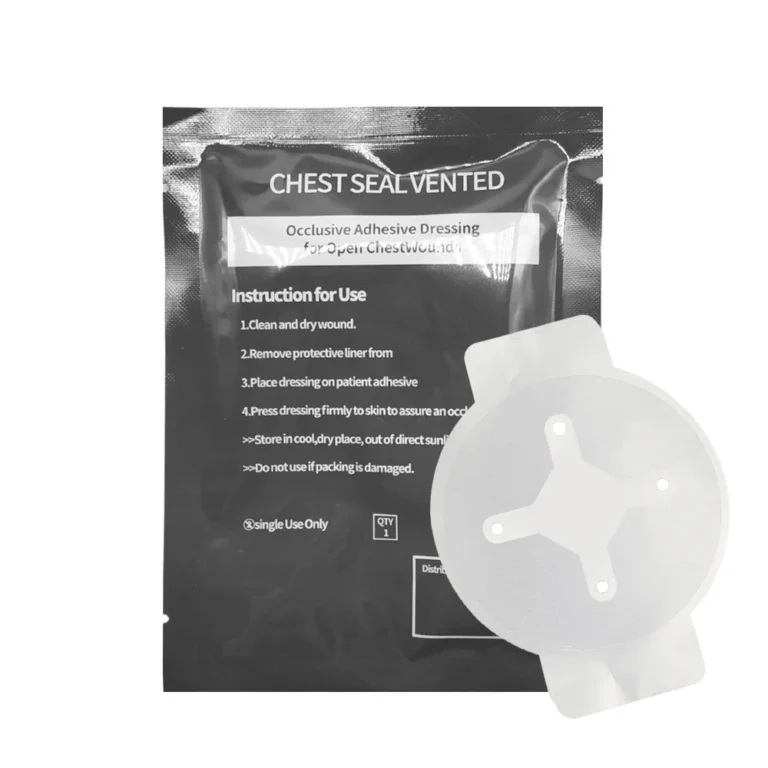
What Is a Chest Seal?   A chest seal is a sterile, occlusive (airtight) adhesive dressing applied over a penetrating chest wound to prevent air from entering the pleural space—the thin, fluid-filled cavity between the lungs and the chest wall. When a penetrating object (such as a bullet or a knife) breaches the chest wall, it bypasses the body’s natural airway (the trachea). As the patient inhales, air enters directly into the pleural cavity rather than into the lungs. This condition, known as a pneumothorax (collapsed lung), prevents the lung from expanding and oxygenating the blood. Without intervention, it can rapidly progress to a tension pneumothorax, which is a life-threatening condition where trapped air builds up such high pressure that it pushes the heart to one side and collapses the remaining lung. This can lead to cardiac arrest and death in minutes. The Asherman Chest Seal, introduced in 1974, was the first widely adopted medical device for this purpose.   Does It Stop Bleeding?   No. A chest seal does not stop bleeding. Its sole function is to create an airtight barrier so that the patient can breathe normally. A sucking chest wound requires concurrent efforts to control external hemorrhage (with direct pressure

Read More »
Emergency Kit Bag

An Emergency Kit Bag, or “go-bag,” is a pre-packed container designed to provide self-sufficiency for at least 72 hours during disasters such as earthquakes or power outages. These kits should include essentials like water, non-perishable food, first aid, tools, and crucial documents to ensure safety when emergency services are unavailable.  Why Everyone Needs an Emergency Kit Bag Imagine a sudden midnight evacuation order due to a flash flood, a structural fire, or a catastrophic earthquake. In those chaotic moments, you will not have time to browse your pantry, locate your medical records, or search for a flashlight. You have minutes—sometimes seconds—to get out. This is where the Emergency Kit Bag (often called a “go-bag,” “bug-out bag,” or “72-hour kit”) becomes your ultimate lifeline. It is a pre-packed, highly organized survival system designed to keep you and your family safe, nourished, and self-sufficient for at least three days during a crisis. What Exactly is an Emergency Kit Bag? An emergency kit bag is a dedicated, durable backpack or duffel containing the absolute bare essentials required to survive a disaster. Unlike general home storage kits, this bag is engineered for portability. If emergency services are overwhelmed or local infrastructure fails (leaving you

Read More »
Master Medical | Breathing Mask
Breathing Mask

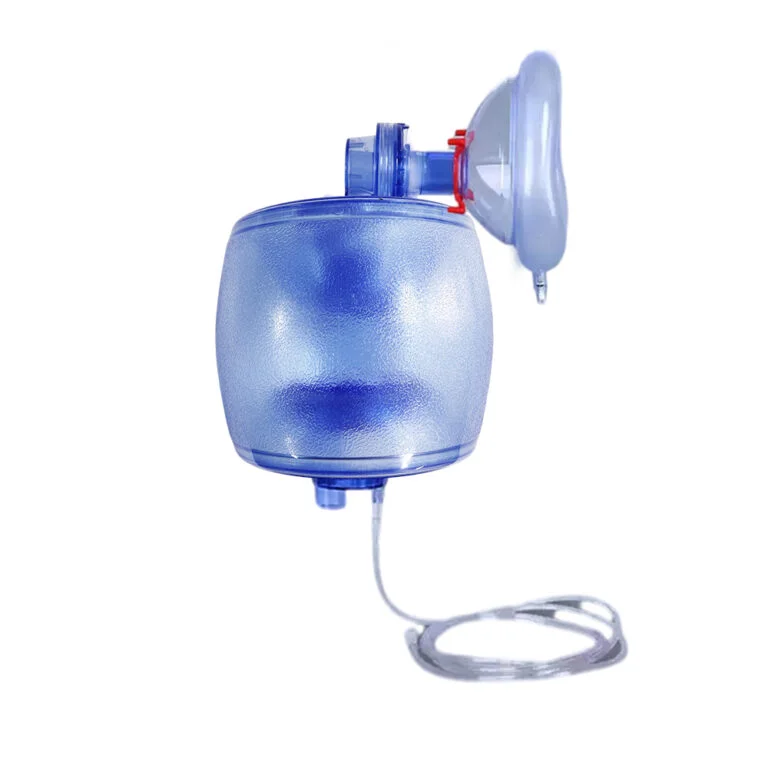
Breathing masks are essential protective devices designed to filter air or supply oxygen by covering the nose and mouth, serving as vital barriers against airborne pathogens and toxic environments. Ranging from disposable N95 respirators to specialized medical oxygen masks and industrial Self-Contained Breathing Apparatus (SCBA), these devices are selected based on the specific need for filtration, oxygen delivery, or atmosphere supply. Understanding the distinction between filtering contaminants and supplying breathable air is key to selecting the appropriate respiratory protection.

Read More »
Fracture Splint

A fracture splint is a medical device used to immobilize and support broken bones, dislocated joints, or severely strained muscles. Unlike a permanent plaster cast, a splint only partially wraps around the injured limb and is secured with elastic bandages or straps  This unique design makes it the gold standard for immediate emergency first aid and early-stage orthopedic care  When a bone breaks, the immediate aftermath is chaotic, painful, and dangerous. While a permanent fiberglass cast is what most people picture for long-term healing, the unsung hero of immediate trauma response is the fracture splint. Whether it is a high-tech tactical device found in a soldier’s kit or a temporary brace applied in an emergency room, the splint serves as the crucial first line of defense against permanent musculoskeletal damage. What Exactly is a Fracture Splint? A fracture splint is a rigid or moldable support structure used to keep an injured limb completely.  The primary structural difference between a splint and a cast is flexibility: Casts completely encase the limb in a hard shell [hopkinsmedicine.org]. They are custom-fitted by doctors after the initial swelling has subsided [hopkinsmedicine.org]. Splints feature a rigid backing (made of plastic, metal, or fiberglass) but are

Read More »
Trauma Eye Patch

What is a Trauma Eye Patch? Unlike the soft, fabric eyepatches used to treat lazy eyes or style a costume, a trauma eye patch is a rigid, perforated dome made of aluminum or heavy-duty plastic. It is engineered to rest entirely on the bony structures surrounding the eye socket (the brow and the cheekbone). By doing so, it creates a protective, vaulted “canopy” over the eye without actually touching the eyelid or the eyeball itself. The anatomy of the human eye makes it incredibly vulnerable to physical pressure after an injury. If the eyeball suffers a puncture wound, deep laceration, or severe blunt force, the outer wall of the eye is compromised. Applying a traditional cloth bandage tightly over a ruptured eye will compress the globe. This pressure can literally squeeze the internal fluids and delicate tissues out of the eye, causing irreversible vision loss. The rigid trauma eye patch solves this problem. Because it anchors to the surrounding facial bones, any accidental bumps, pressure from blankets, or contact from the patient’s own hands will hit the shield rather than the injured eye. Rigid eye shields are mandatory in emergency trauma protocols (such as Tactical Combat Casualty Care, or TCCC)

Read More »
Tourniquet: A Life-Saving Tool

A tourniquet is a tight band applied to a limb (an arm or leg) to completely stop the flow of blood. By compressing the blood vessels against the bone, it prevents a person from bleeding to death from a severe injury. When Should You Use One? Tourniquets are strictly meant for life-threatening bleeding on limbs. You should use a tourniquet if: Bleeding is severe: Blood is spurting, pooling on the ground, or soaking rapidly through clothes. Direct pressure fails: Firmly pressing on the wound with cloth or gauze is not stopping the flow. An amputation has occurred: The limb is partially or completely severed. The environment is unsafe: You need to stop the bleeding instantly to move the person to safety. Note: Never apply a tourniquet to the neck, chest, torso, or abdomen. How to Apply a Tourniquet (Step-by-Step) If you encounter a severe bleeding situation, remember the phrase “High and Tight.” Call for Help: Dial emergency services immediately. Position the Device: Place the tourniquet high on the injured limb, about 2 to 3 inches (5 to 7 cm) above the wound. Do not place it directly over a joint (like the elbow or knee); if the wound is just

Read More »