
Polymer Splint – Aluminum Polymer Medical Emergency Splint for Leg Bone Fixation
A reliable splint is an important component of emergency and first-aid equipment. The Aluminum Polymer Splint combines a flexible aluminum core with a polymer-based outer layer to create a lightweight, moldable support solution for temporary immobilization during emergency response and patient transport.
Designed for professional first-aid and emergency-care environments, this type of splint can be suitable for hospitals, ambulances, rescue teams, clinics, sports-care providers, and medical-supply distributors.
What Is an Aluminum Polymer Splint?
An aluminum polymer splint is a flexible immobilization device generally constructed with a moldable aluminum core covered by a protective polymer or foam layer.
The aluminum component provides structural support and can be shaped to the affected body area, while the outer material can provide cushioning and a protective contact surface.
The splint is intended for temporary immobilization and support, not definitive treatment of fractures.
Key Product Features
1. Moldable Aluminum Core
The aluminum core can be shaped to follow the patient’s limb when applied by appropriately trained personnel.
This flexibility makes the splint useful for temporary immobilization in emergency situations.
2. Polymer Protective Layer
The polymer covering provides a protective surface around the aluminum structure.
Depending on the material specification, the outer layer can provide cushioning and help improve patient comfort.
3. Lightweight Construction
Compared with some rigid immobilization systems, a lightweight moldable splint can be easier to transport and store in emergency kits.
4. Flexible Forming
The splint can potentially be shaped into different configurations according to the injury and body area.
It should only be molded and applied according to appropriate clinical training and the manufacturer’s instructions.
5. Emergency-Ready Design
Its compact format makes it suitable for inclusion in:
- First-aid kits
- Ambulance equipment
- Emergency bags
- Rescue kits
- Sports first-aid kits
- Outdoor medical kits
Emergency Applications
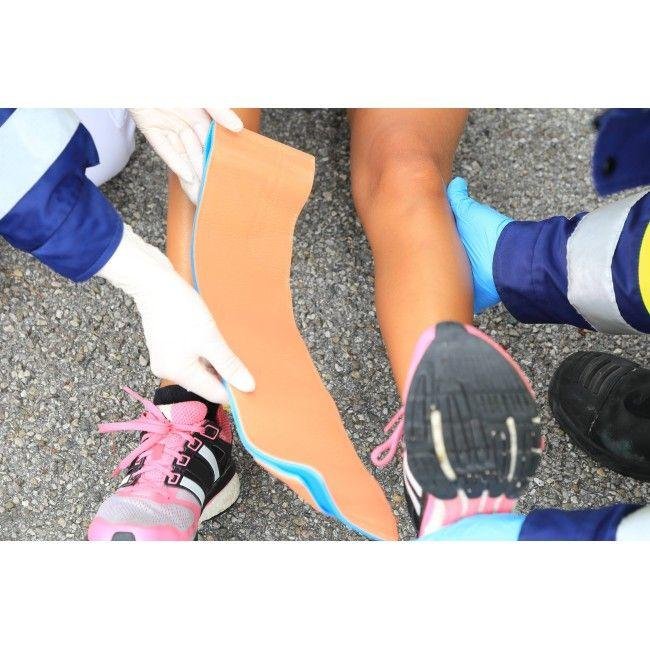
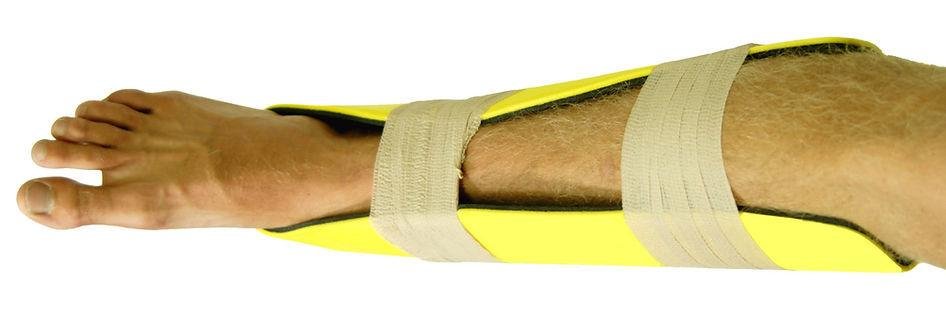
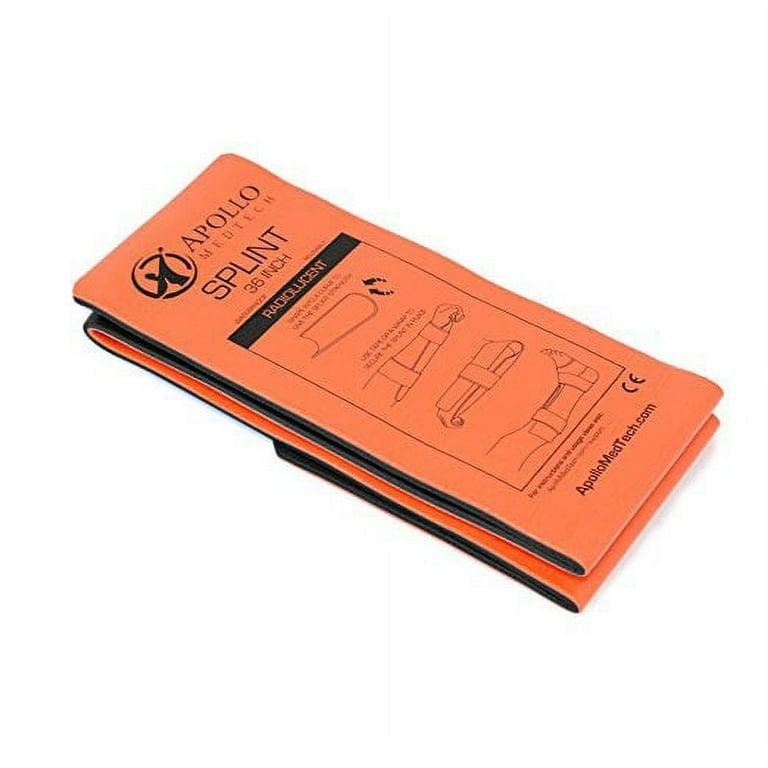
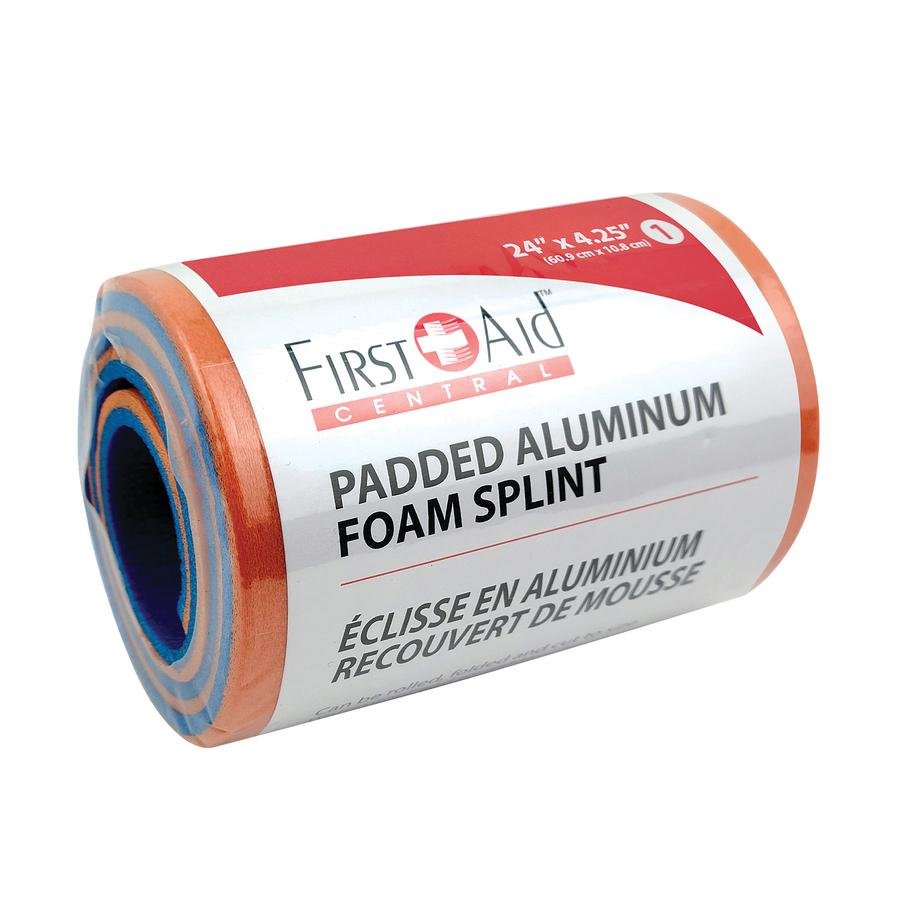
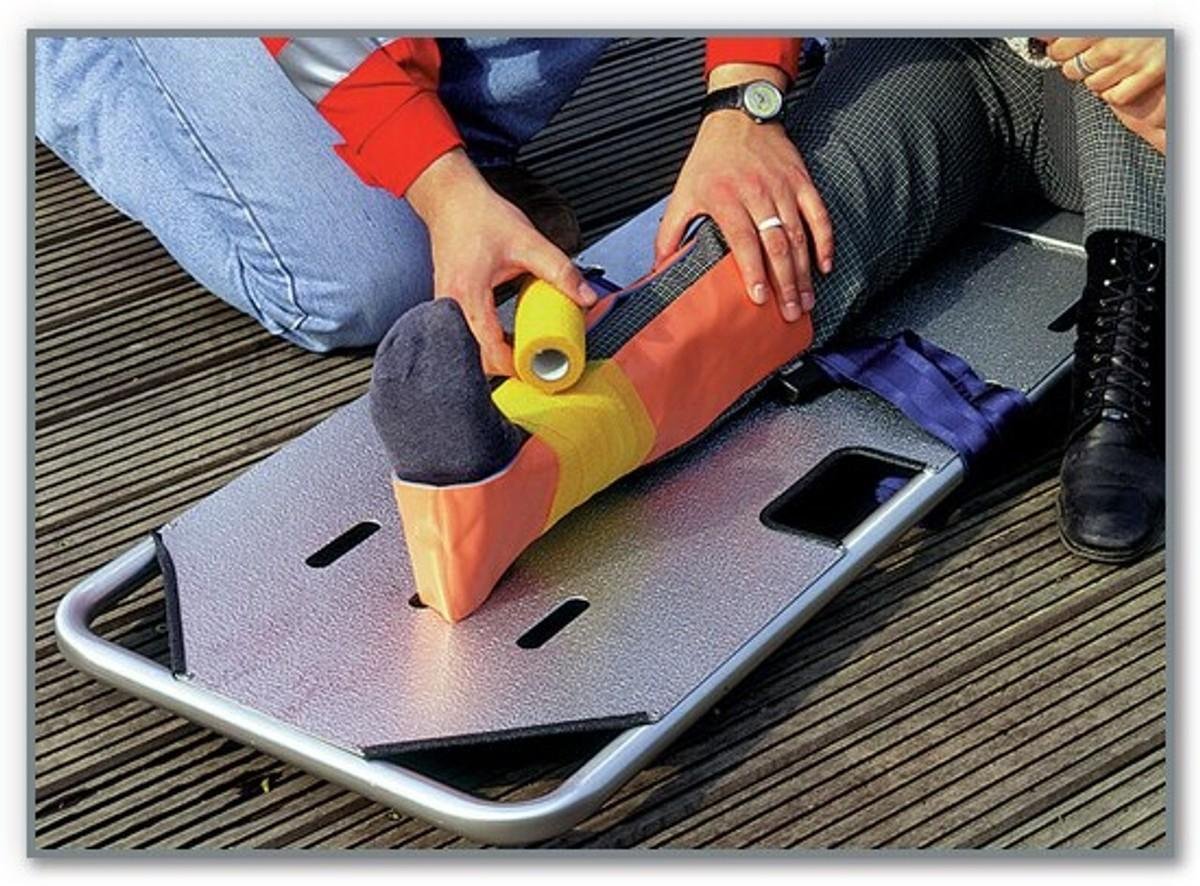
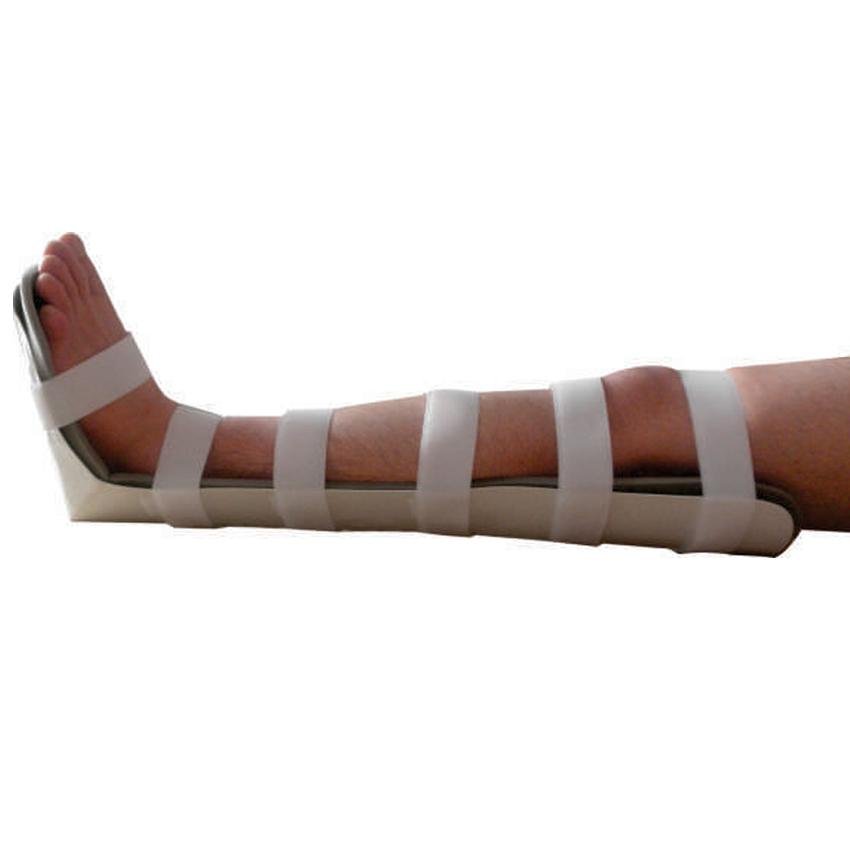
Depending on the specific product’s approved intended use, a moldable splint may be used for temporary stabilization of suspected injuries involving:
- Lower leg
- Ankle
- Foot
- Knee
- Arm
- Wrist
- Hand
The exact application should follow the manufacturer’s instructions and the training of the healthcare or emergency professional.
Why Temporary Immobilization Matters
Following a suspected fracture or significant musculoskeletal injury, unnecessary movement may increase pain or potentially worsen the injury.
A properly applied splint can help limit movement of the injured area during initial care and transport.
Splinting does not replace medical assessment, imaging, fracture reduction, surgery, casting, or other definitive treatment when required.
Advantages of Aluminum Polymer Splints
A quality moldable splint may provide:
- Lightweight construction
- Moldable aluminum support
- Protective polymer covering
- Compact storage
- Rapid deployment
- Versatile positioning
- Reusable or disposable configurations depending on the model
- Suitable emergency-kit integration
The exact reuse, cleaning, and sterilization status must always be confirmed from the manufacturer’s labeling.
Leg Injury Applications
For suspected lower-limb injuries, emergency personnel may use an appropriately sized splint to help stabilize the affected area during transportation.
Correct application should avoid unnecessary pressure and should allow appropriate monitoring of circulation and sensation.
Healthcare professionals should assess the patient’s condition before and after immobilization.
How to Choose a Quality Emergency Splint
Aluminum Core
Check the thickness, flexibility, strength, and consistency of the aluminum support.
Polymer Material
Verify the outer material, cushioning properties, durability, and skin-contact characteristics.
Moldability
The splint should be sufficiently flexible to form an appropriate support while maintaining its structure after shaping.
Size
Different lengths and widths may be required for different body areas.
Edges
Smoothly finished edges can help reduce unnecessary skin contact and abrasion.
Packaging
Individual or bulk packaging should protect the product from contamination and physical damage.
Emergency First-Aid Kit Applications
The compact design makes polymer aluminum splints suitable for inclusion in various emergency kits.
Potential users include:
🚑 Ambulance teams
🏥 Hospitals
🩺 Clinics
🏕️ Outdoor rescue teams
🏃 Sports organizations
🥾 Hiking groups
🏫 Schools and institutions
🏠 First-aid kit suppliers
A range of sizes can provide greater flexibility for treating different injuries.
Safety and Application
Splinting should be performed by trained personnel whenever possible.
Before and after application, appropriate responders should assess circulation, sensation, and movement where clinically appropriate.
Seek emergency medical care for suspected fractures, severe trauma, deformity, uncontrolled bleeding, or other serious injuries.
The splint should not be applied so tightly that it compromises circulation.
OEM & Wholesale Manufacturing
For medical distributors and emergency-equipment brands, aluminum polymer splints can be suitable for OEM and private-label programs.
Depending on factory capabilities, customization may include:
- Custom dimensions
- Custom colors
- Logo printing
- Private-label packaging
- Individual packaging
- Emergency-kit integration
- Customized labels
- Instruction materials
- Bulk cartons
For large orders, buyers should confirm:
- MOQ
- Material specifications
- Dimensions
- Product weight
- Packaging
- Reusability
- Testing documentation
- Production lead time
Regulatory & Quality Considerations
If marketed as a medical device, the splint may be subject to medical-device regulations depending on the destination market and intended use.
Professional buyers should request appropriate documentation, such as:
- Product specifications
- Material information
- Quality-control documentation
- Testing reports where applicable
- Instructions for use
- Labeling
- Traceability information
- Declaration of Conformity where applicable
Claims such as CE certified, sterile, medical-grade, or clinically proven should only be made when supported by appropriate documentation for the specific product.
Storage and Care
Store the splint according to the manufacturer’s recommendations.
Protect it from:
- Excessive heat
- Moisture
- Direct sunlight
- Chemical exposure
- Physical deformation
If the product is reusable, cleaning and disinfection should follow the manufacturer’s validated instructions. If it is labeled for single use, it should not be reused.
The Hot-Selling Aluminum Polymer Medical Emergency Splint combines a moldable aluminum core with a protective polymer covering to provide lightweight temporary immobilization and support for selected emergency applications.
Its compact design, flexible shaping capability, and easy integration into first-aid equipment make it suitable for ambulances, hospitals, clinics, rescue teams, sports organizations, outdoor groups, and medical-supply distributors.
For wholesale and OEM buyers, customization of size, color, branding, packaging, and emergency-kit configurations can support different markets and product programs.
Most importantly, the splint should be regarded as a temporary immobilization tool, with definitive assessment and treatment provided by appropriately qualified medical professionals.