Left & Right Hand Massager Robot Gloves – Rehabilitation Therapy Support for Stroke & Hand Exercise
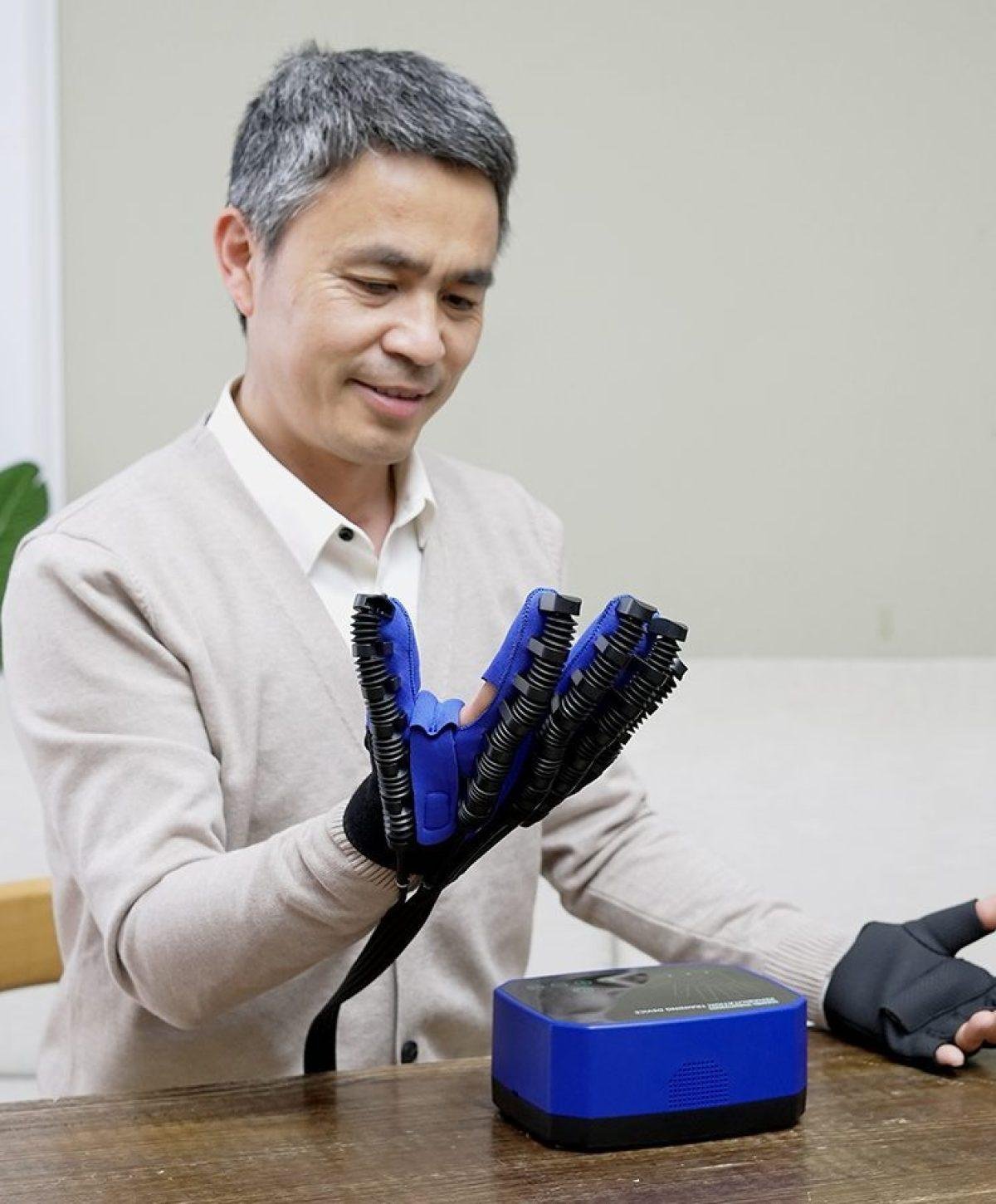
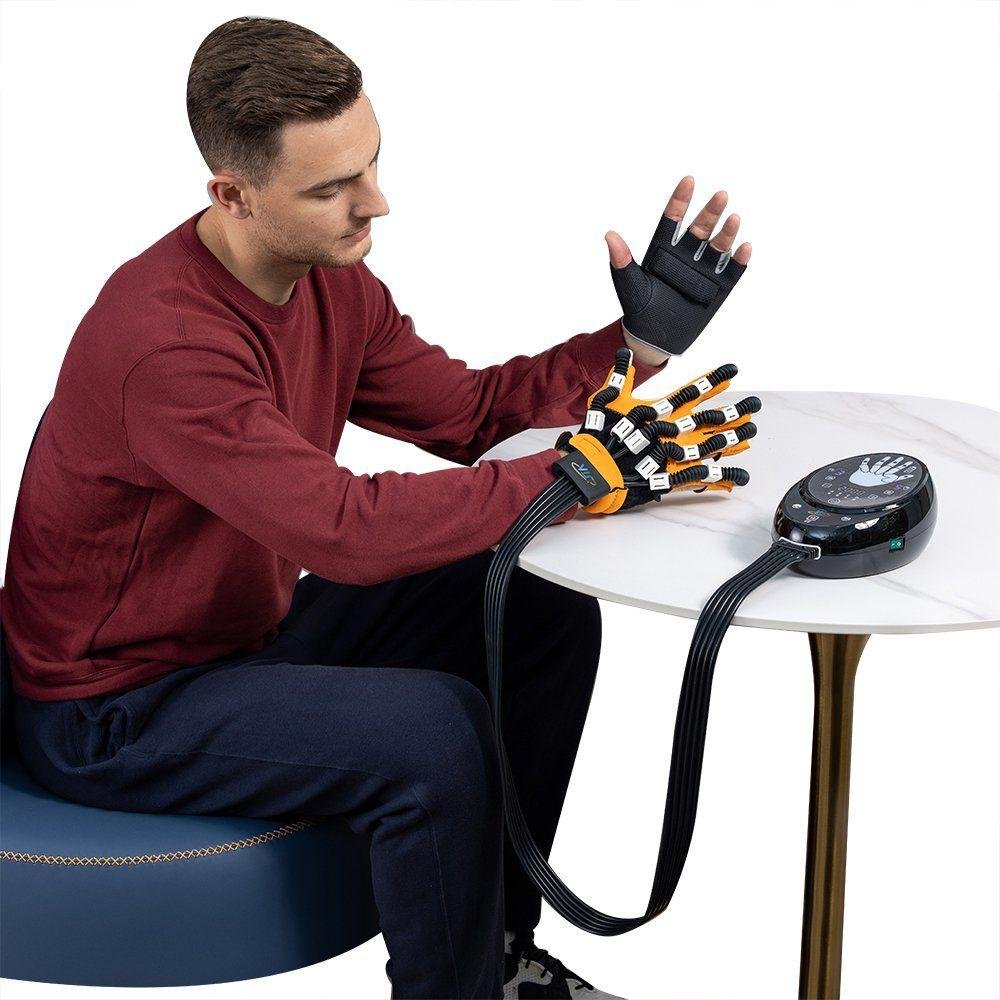
The Left & Right Hand Massager Robot Glove is designed as a hand rehabilitation and exercise-support device for users who require assistance with hand movement and therapy. With left- and right-hand configurations, the product can be incorporated into selected rehabilitation programs involving hand mobility, finger movement, and repetitive exercise.
It may be suitable for rehabilitation centers, physiotherapy clinics, medical distributors, hospitals, home-care suppliers, and OEM/private-label rehabilitation equipment brands.
What Is a Hand Rehabilitation Robot Glove?
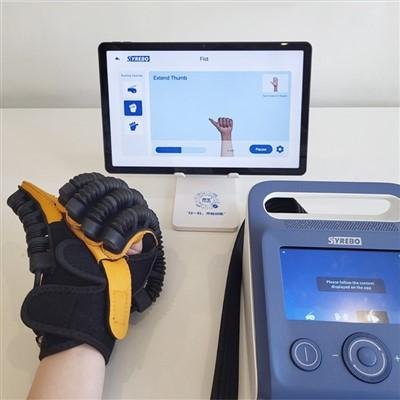
A rehabilitation robot glove is a wearable device designed to assist or guide selected hand and finger movements.
Depending on the specific model, the glove may use powered or pneumatic mechanisms to support repetitive hand-opening, closing, or finger exercises.
For people recovering from neurological or orthopedic conditions, repetitive movement may form part of a broader rehabilitation program prescribed by a healthcare professional.
The device should not be described as curing stroke, hemiplegia, paralysis, or neurological disorders.
Key Product Features
🖐️ 1. Left & Right Hand Options
The availability of left- and right-hand configurations allows the device to be matched to the intended hand.
This is important because rehabilitation requirements can differ between the affected and unaffected sides.
🤖 2. Robotic-Assisted Movement
Depending on the model, the glove can assist selected finger or hand movements.
Assisted movement may help users participate in repetitive exercise when independently moving the hand is difficult.
💪 3. Hand & Finger Exercise
The device can be incorporated into rehabilitation exercises involving:
- Finger flexion
- Finger extension
- Hand opening
- Hand closing
- Repetitive movement
- Range-of-motion exercises
The exact movement pattern depends on the device’s specifications.
🔄 4. Repetitive Rehabilitation Training
Repetition is commonly incorporated into many rehabilitation programs.
A robotic glove can provide a structured way to perform repeated hand exercises under appropriate supervision.
🧤 5. Wearable Glove Design
The glove-style format allows the support mechanism to interact directly with the user’s hand and fingers.
Proper sizing and positioning are essential for safe and effective operation.
Rehabilitation Applications
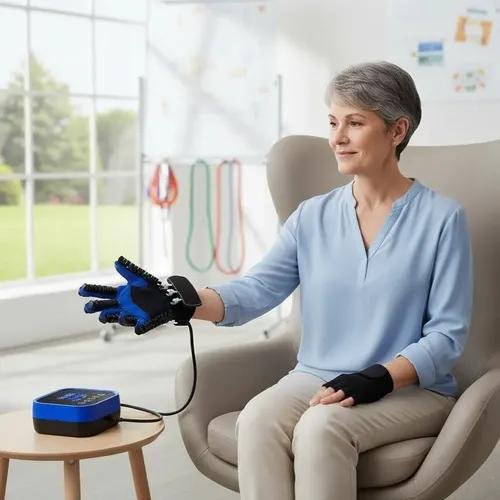
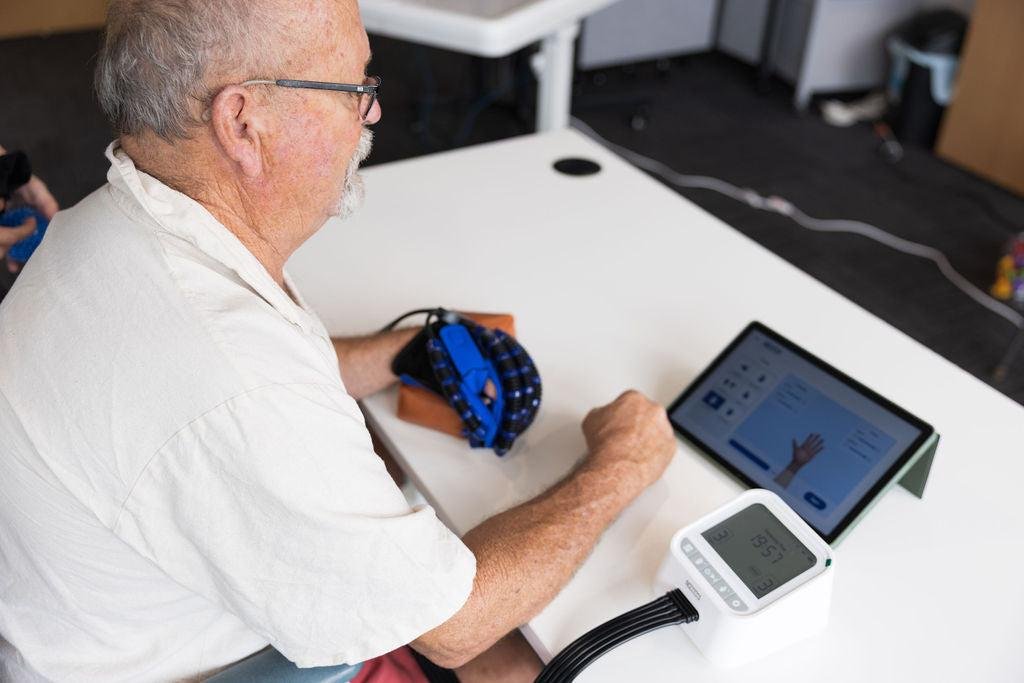
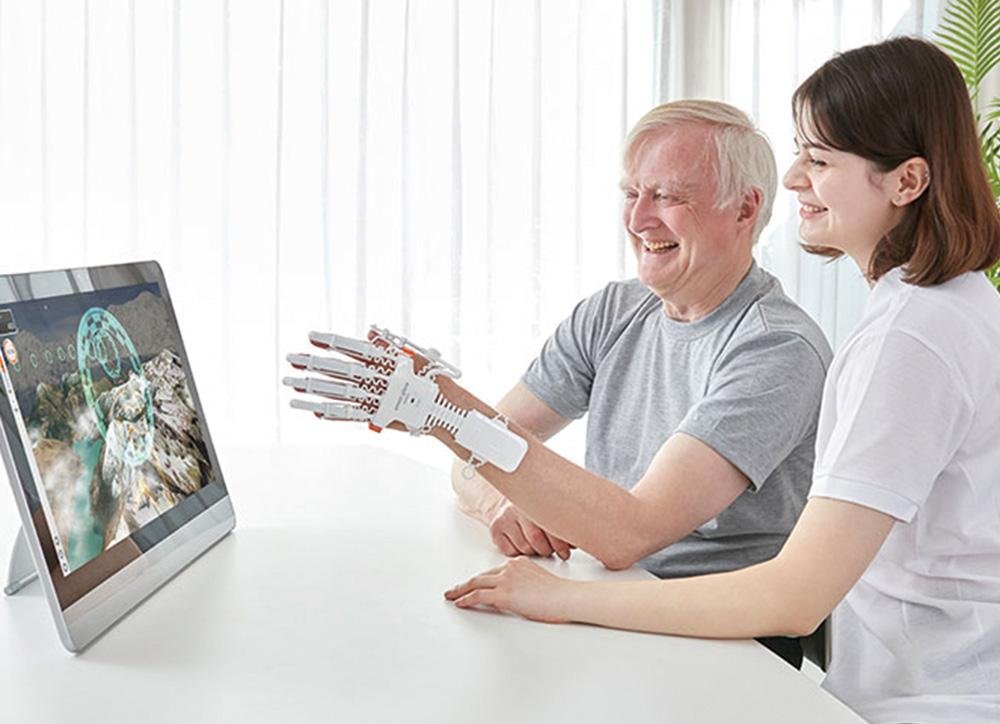
Depending on the product’s intended use and clinical documentation, a rehabilitation glove may be considered for:
- Stroke rehabilitation
- Hemiplegia-related hand rehabilitation
- Reduced hand mobility
- Finger movement training
- Neurological rehabilitation
- Post-injury hand exercise
- Home rehabilitation programs
The device should be used according to professional recommendations, particularly for people with neurological conditions.
How Robotic Hand Rehabilitation Works
A robotic glove can provide mechanical assistance to selected finger movements.
For example, depending on the device design, a training cycle may involve:
Step 1: The glove is correctly positioned on the hand.
Step 2: The desired training mode is selected.
Step 3: The device assists the programmed hand or finger movement.
Step 4: The user participates in the movement as appropriate.
Step 5: Repetitive exercises are performed according to the prescribed program.
The goal is generally to support structured hand movement and exercise, rather than replace active participation or professional rehabilitation.
Potential Benefits
A suitable rehabilitation glove may offer:
- Assisted finger movement
- Repetitive exercise
- Structured training
- Adjustable training modes
- Left/right hand configurations
- Wearable design
- Home-use potential
- Portable rehabilitation support
- Reduced need for manual repetition in selected exercises
Actual clinical benefits depend on the device, user’s condition, treatment program, and correct use.
Stroke & Hemiplegia Rehabilitation
Stroke can affect movement, strength, coordination, and sensation in one or both hands.
Rehabilitation may include repetitive task practice, range-of-motion exercises, strengthening, occupational therapy, and other interventions.
A robotic glove can potentially serve as a supplementary rehabilitation tool, but it should not replace individualized assessment and therapy by qualified professionals.
Elderly User Considerations
For elderly users, comfort and ease of operation are particularly important.
Buyers should consider:
- Glove size
- Weight
- Ease of wearing
- Control interface
- Battery or power requirements
- Cleaning procedure
- Finger positioning
- Emergency stop function where available
- Caregiver support
A caregiver or therapist may need to assist with fitting and operation.
Correct Sizing & Fitting
Correct fitting is essential.
Before purchasing, confirm:
- Palm width
- Hand length
- Finger length
- Finger circumference
- Wrist circumference
- Left/right configuration
The glove should not be excessively tight.
Users should monitor for:
- Numbness
- Tingling
- Skin discoloration
- Excessive pressure
- Pain
- Swelling
If these symptoms occur, stop the exercise and seek appropriate professional advice.
OEM & Private-Label Opportunities
Robotic rehabilitation gloves can be suitable for OEM/ODM and private-label medical rehabilitation programs.
Depending on manufacturer capabilities, customization may include:
- Left/right versions
- Glove sizes
- Control interface
- Training modes
- Branding
- Logo printing
- Custom packaging
- User manuals
- Carrying cases
- Accessory configurations
For products marketed as medical devices, customization should remain consistent with applicable regulatory requirements.
Wholesale Market Applications
Potential B2B customers include:
- Rehabilitation equipment distributors
- Physiotherapy suppliers
- Hospitals
- Neurological rehabilitation centers
- Occupational therapy providers
- Elder-care facilities
- Home-care equipment suppliers
- Medical-device wholesalers
- Healthcare e-commerce brands
- Private-label rehabilitation companies
Quality Control
Wholesale buyers should evaluate:
Movement Accuracy
Verify that programmed movements operate consistently.
Finger Alignment
Check that the glove properly aligns with the user’s fingers.
Control System
Test the interface, operating modes, and adjustment functions.
Safety Features
Where applicable, inspect emergency-stop functions, movement limits, and overload protection.
Battery & Power
Check battery capacity, charging performance, and operating time where applicable.
Materials
Verify glove materials, skin-contact surfaces, and durability.
Cleaning
Confirm whether the glove can be cleaned according to the manufacturer’s instructions.
Important Safety Information
People recovering from stroke or living with hemiplegia may have reduced sensation, muscle tone abnormalities, joint limitations, or other complications.
Professional assessment is particularly important before using powered rehabilitation equipment.
Do not use the device without appropriate medical guidance if the user has:
- Severe spasticity
- Significant joint contracture
- Recent hand surgery
- Acute hand injury
- Severe swelling
- Unexplained hand pain
- Reduced sensation
- Open wounds
- Circulation problems
Stop use if the device causes pain, unusual swelling, skin damage, or other concerning symptoms.
Regulatory & Documentation Considerations
If marketed as a medical rehabilitation device, regulatory requirements vary by country and intended use.
Professional buyers may request:
- Product specifications
- Intended-use statement
- User manual
- Electrical specifications
- Battery information
- Safety documentation
- Testing reports
- Quality-control records
- Risk-management documentation where applicable
- Regulatory certificates or declarations where applicable
Claims such as CE certified, medical-grade, clinically proven, or stroke treatment device should only be used when supported by doumentation for the specific model.
The Left & Right Hand Massager Robot Rehabilitation Glove provides a wearable platform for assisted hand and finger movement, repetitive exercise, and rehabilitation training.
Its left/right configurations, robotic-assisted movement, wearable format, and potential home-use applications make it suitable for rehabilitation centers, physiotherapy providers, hospitals, elder-care facilities, medical distributors, and OEM/private-label healthcare brands.
For stroke and hemiplegia rehabilitation, the device should be considered a supplementary therapy tool and used according to an individualized rehabilitation plan developed by qualified healthcare professionals.