
Orthopedic Medical Cervical, Thoracic & Spinal Braces – Professional Support and Fracture Protection Solutions
Orthopedic cervical, thoracic, and spinal braces are designed to provide targeted support, stabilization, and protection for different areas of the spine. Depending on their specific design and intended use, these orthopedic supports may be used during injury management, post-operative care, rehabilitation, or recovery under appropriate medical supervision.
For medical distributors, orthopedic suppliers, hospitals, rehabilitation centers, pharmacies, and OEM/ODM healthcare brands, spinal braces offer a broad product category for professional orthopedic-care markets.
What Are Spinal Orthopedic Braces?
Spinal orthopedic braces are external support devices designed to help stabilize or control movement of specific regions of the spine.
Common categories include:
- Cervical braces – support the neck and cervical spine
- Thoracic braces – support the upper and middle back
- Lumbar braces – support the lower back
- Thoracolumbosacral orthoses (TLSO) – support larger sections of the torso and spine
- Fracture-support braces – designed for selected injuries according to professional recommendations
The appropriate brace depends on the patient’s condition, anatomy, injury, and treatment plan.
Cervical Spine Braces
Cervical braces are designed to provide support around the neck.
They may be incorporated into care plans for selected conditions such as:
- Certain neck injuries
- Post-operative support
- Cervical instability
- Rehabilitation
- Selected spinal conditions
Different cervical collars provide different levels of motion restriction. A soft neck support should not be assumed to provide the same stabilization as a rigid cervical orthosis.
Thoracic & Upper-Back Braces
Thoracic supports are designed to provide support around the upper and middle sections of the spine.
Depending on the product, they may help control selected movements and provide external support during rehabilitation.
Potential applications can include:
- Postural support
- Selected spinal conditions
- Rehabilitation
- Post-operative care
- Injury recovery
The exact indication should always follow the manufacturer’s approved intended use.
Spinal Fracture Support
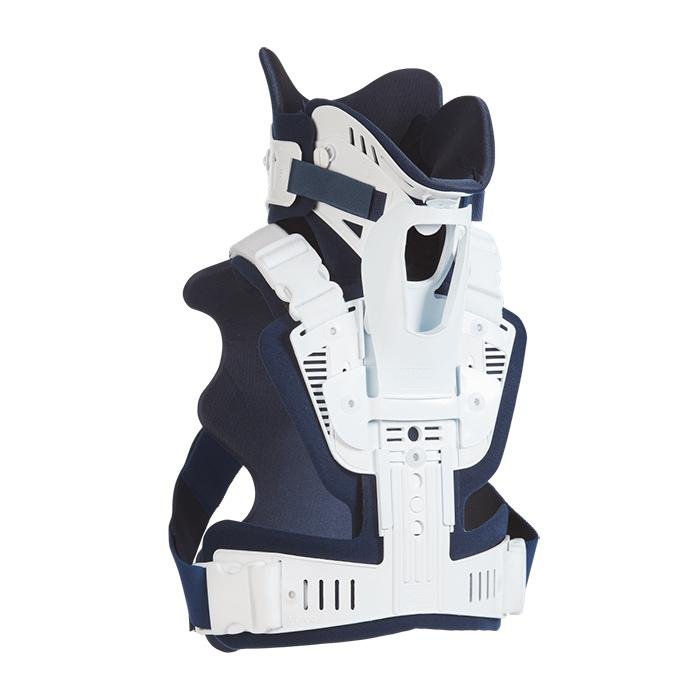
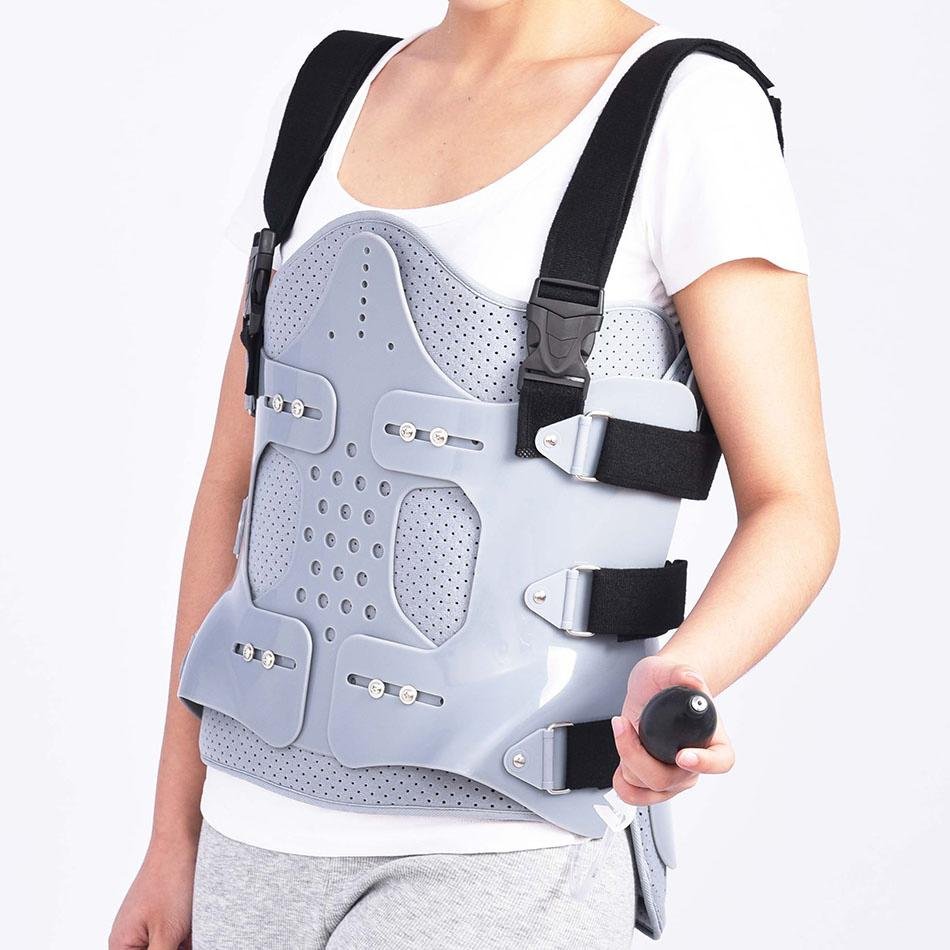
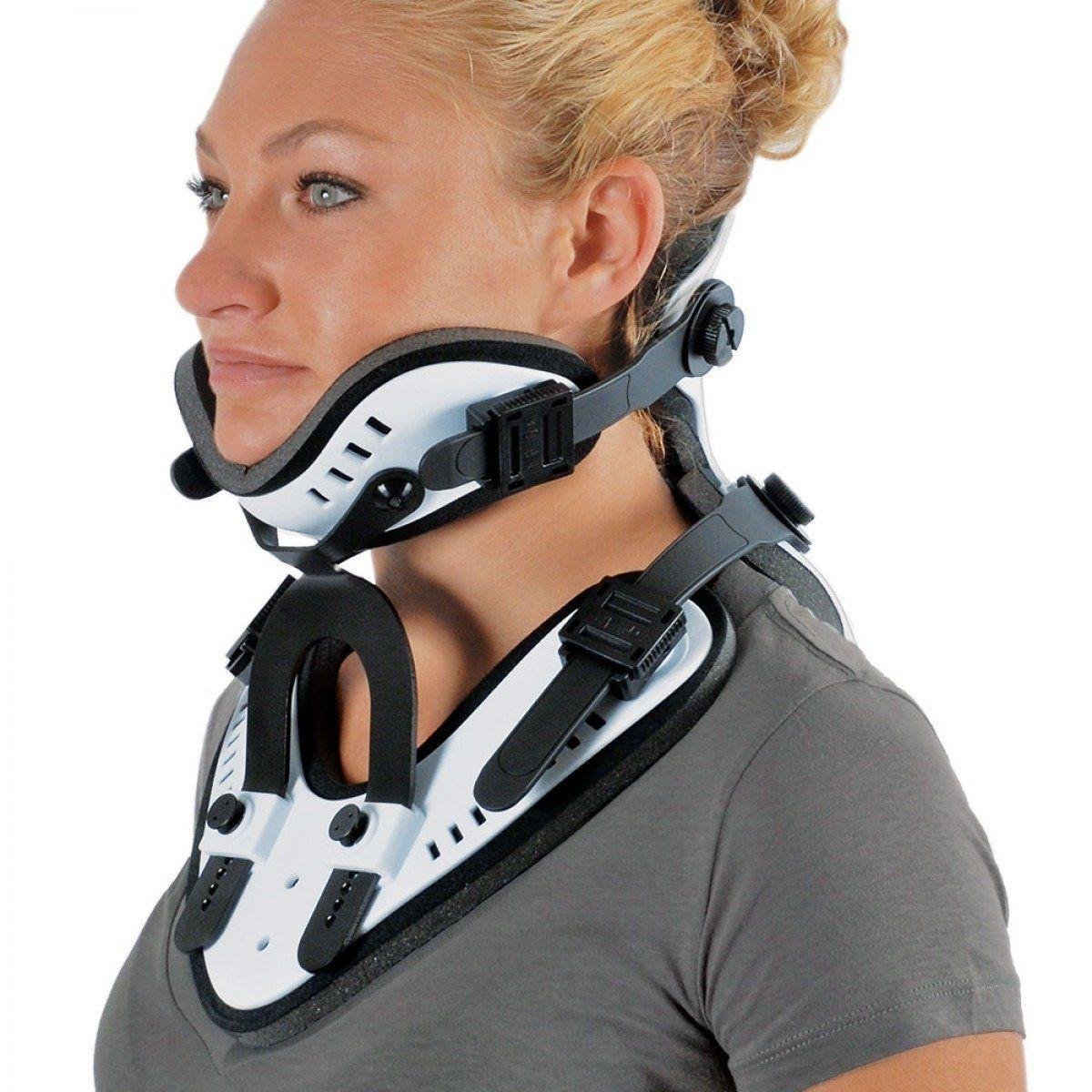
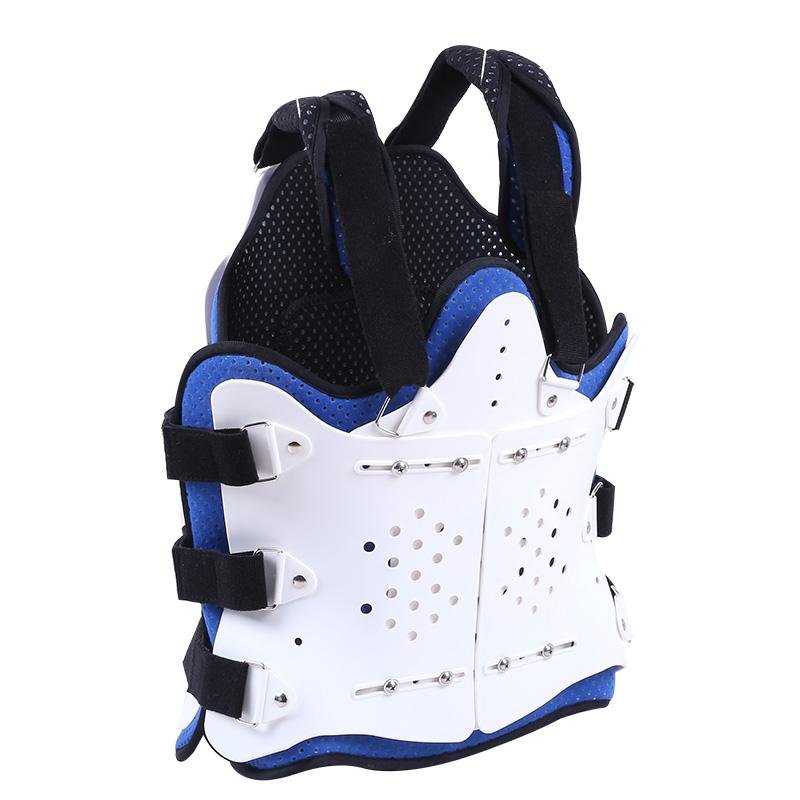
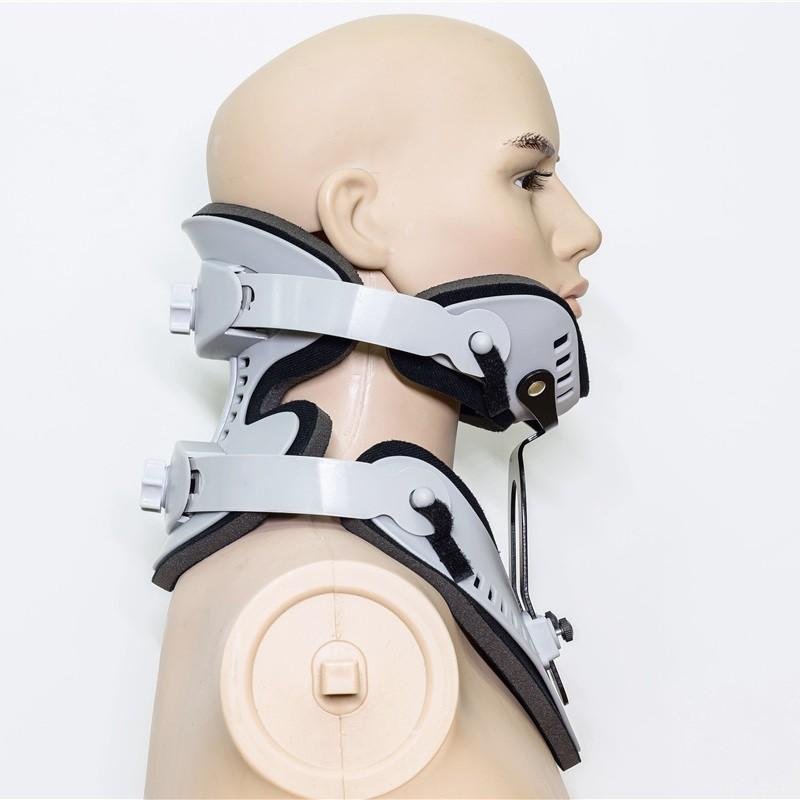
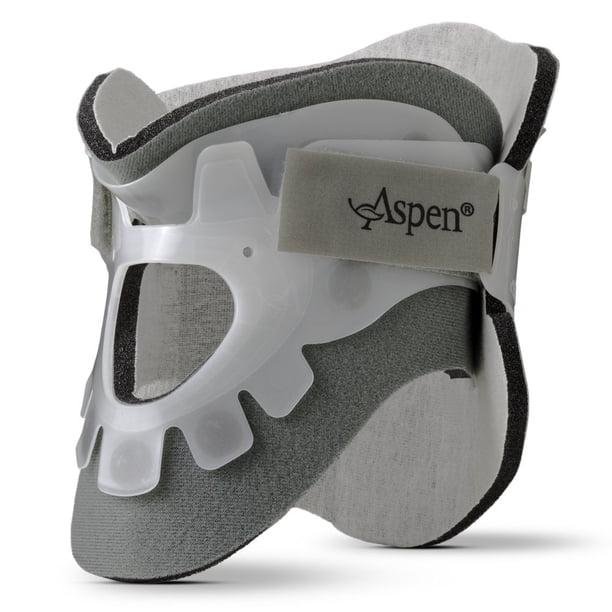
Some spinal orthoses are designed for use following specific spinal injuries, including selected fractures.
However, spinal fractures can be serious. The type of brace, degree of immobilization, and duration of use should be determined by an appropriately qualified healthcare professional.
A general orthopedic brace should not be promoted as suitable for every spinal fracture.
Key Product Features
1. Targeted Spinal Support
Orthopedic braces can be designed to support a specific anatomical region rather than the entire spine.
This allows manufacturers to develop products for different clinical applications.
2. Stabilization
Certain braces are designed to restrict selected spinal movements.
The amount of stabilization varies significantly between soft, semi-rigid, and rigid designs.
3. Adjustable Fit
Adjustable straps and fastening systems can help accommodate different body shapes and sizes.
Correct fitting is particularly important for spinal-support products.
4. Anatomical Design
A well-designed brace should conform appropriately to the relevant body area while maintaining the intended support characteristics.
5. Comfortable Materials
Padding, breathable fabrics, and appropriately finished edges can improve wearing comfort where prolonged use is prescribed.
Cervical, Thoracic & Spinal Product Categories
| Brace Type | Primary Support Area | Typical Design |
|---|---|---|
| Cervical Collar | Neck | Soft, semi-rigid, or rigid |
| Cervical Orthosis | Cervical spine | Structured support |
| Thoracic Brace | Upper/mid back | Adjustable torso support |
| Lumbar Brace | Lower back | Compression/stabilization |
| TLSO | Thoracic + lumbar spine | Larger rigid/semi-rigid structure |
| Spinal Fracture Orthosis | Selected spinal region | Clinically prescribed stabilization |
Actual indications depend on the specific product design and regulatory approval.
Benefits of Quality Orthopedic Braces
A professionally designed spinal brace may provide:
- Targeted support
- Controlled stabilization
- Adjustable fitting
- Protection during selected recovery periods
- Comfortable materials
- Anatomical support
- Multiple sizing options
- Professional medical appearance
- OEM/private-label customization
Rehabilitation Applications
Spinal orthoses can form part of rehabilitation programs when prescribed or recommended by healthcare professionals.
Depending on the condition, rehabilitation may involve:
- Controlled movement
- Gradual strengthening
- Physical therapy
- Postural training
- Functional recovery
- Follow-up assessment
A brace is only one component of care and should not automatically be considered a complete treatment.
Choosing the Correct Orthopedic Brace
Proper selection is essential.
Healthcare professionals and buyers should consider:
Anatomical Location
Identify whether support is required for the cervical, thoracic, lumbar, or combined spinal region.
Support Level
Determine whether the application requires soft, semi-rigid, or rigid stabilization.
Patient Size
Check:
- Neck circumference
- Chest circumference
- Waist circumference
- Torso length
- Height
- Weight range where applicable
Adjustment Range
Confirm that straps and closures can accommodate the intended user group.
Wearing Duration
Materials and padding become particularly important when a brace is intended for extended wear.
OEM & Private-Label Manufacturing
Orthopedic spinal braces are well suited to OEM/ODM and private-label medical-device programs.
Depending on manufacturing capabilities, customization may include:
- Custom sizes
- Custom colors
- Material selection
- Padding configuration
- Strap design
- Logo printing
- Embroidered branding
- Custom labels
- Retail packaging
- Instruction manuals
- Custom product kits
Manufacturers should ensure that any customized medical-device configuration remains consistent with applicable regulatory requirements.
Wholesale Market Applications
Potential B2B customers include:
- Orthopedic suppliers
- Medical-device wholesalers
- Hospitals
- Rehabilitation centers
- Physiotherapy suppliers
- Orthopedic clinics
- Pharmacies
- Home-care distributors
- Medical e-commerce businesses
- Private-label healthcare brands
Quality Control
For bulk orthopedic-brace orders, buyers should evaluate:
Materials: Verify material composition, durability, and skin-contact properties.
Support Structure: Check the rigidity, shape, and mechanical characteristics.
Fasteners: Test straps, buckles, and closures for repeated use.
Sizing: Confirm dimensional accuracy across all sizes.
Padding: Evaluate comfort and pressure distribution.
Stitching: Inspect seams and attachment points.
Adjustability: Verify the intended range of adjustment.
Important Safety Information
Spinal and cervical injuries can be medically significant.
Seek professional assessment for:
- Suspected spinal fracture
- Severe neck or back pain
- Numbness or tingling
- Weakness
- Loss of coordination
- Loss of bladder or bowel control
- Significant trauma
- Visible spinal deformity
Do not attempt to select or fit a spinal fracture brace without appropriate professional guidance when a serious injury is suspected.
A brace should be used according to the manufacturer’s instructions and the healthcare professional’s recommendations.
Regulatory & Documentation Considerations
If these products are marketed as medical devices, regulatory requirements vary according to the destination market, product classification, intended use, and design.
Professional buyers may request:
- Product specifications
- Material information
- Intended-use statement
- Size charts
- Instructions for use
- Risk-management documentation where applicable
- Testing reports
- Quality-control documentation
- Labeling information
- Declaration of Conformity where applicable
Claims such as CE certified, medical-grade, clinically proven, fracture treatment, or therapeutic should only be used when supported by appropriate documentation for the specific product.
Storage & Maintenance
Orthopedic braces should be stored according to manufacturer recommendations.
Regularly inspect:
- Straps
- Fasteners
- Padding
- Support components
- Seams
- Surface materials
Replace damaged components or discontinue use when the brace can no longer provide its intended support.
Orthopedic Cervical, Thoracic & Spinal Braces provide targeted external support and stabilization for selected medical, rehabilitation, post-operative, and injury-management applications.
With options ranging from cervical collars and thoracic supports to larger spinal orthoses and selected fracture-support braces, this product category can serve a wide range of professional orthopedic-care requirements.
For medical wholesalers, orthopedic distributors, hospitals, rehabilitation suppliers, pharmacies, and OEM/private-label brands, customization of sizes, materials, support structures, straps, packaging, and branding can help create specialized product ranges.
Because spinal and cervical conditions can be complex, the appropriate brace should always be selected and fitted according to the specific product indication and professional medical guidance.