Medical Surgical Instruments – Trigonal Neurological Reflex Patella Hammer

Medical Surgical Instruments – Trigonal Neurological Reflex Patella Hammer, Taylor-Type Medical Hammer

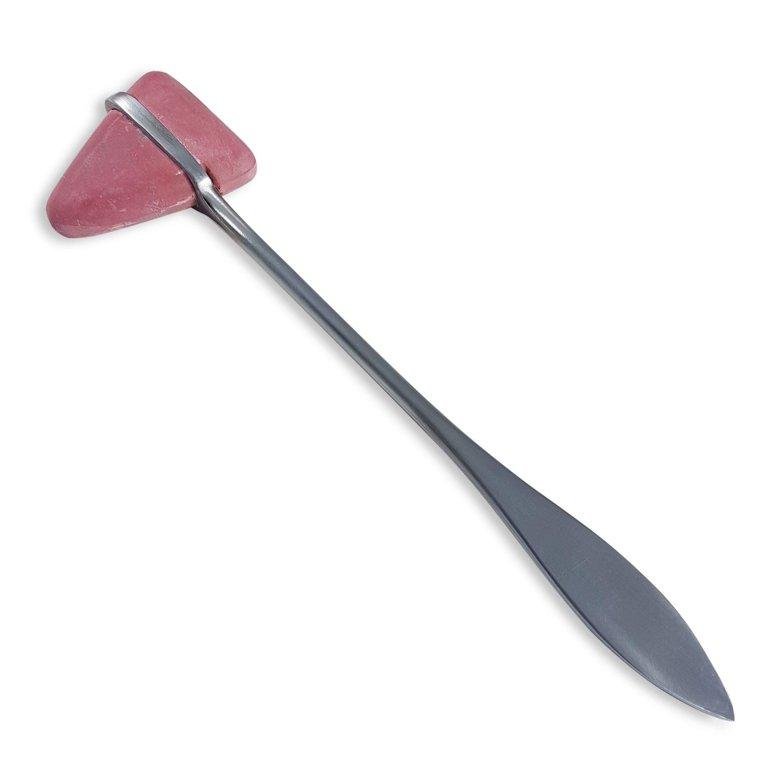
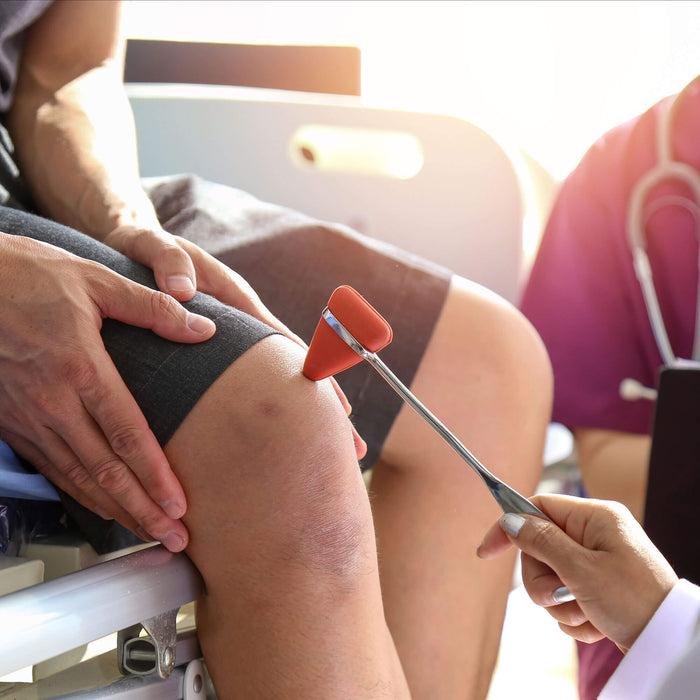
The Trigonal Neurological Reflex Patella Hammer, also known as a Taylor-type reflex hammer, is a clinical diagnostic instrument designed for healthcare professionals to assess tendon reflexes during neurological and physical examinations.

Featuring a compact triangular-style striking head and ergonomic handle, this medical instrument is intended to provide controlled percussion during routine clinical assessments. It can be suitable for hospitals, clinics, neurological departments, physiotherapy practices, medical distributors, and professional healthcare facilities.

What Is a Neurological Reflex Hammer?

A neurological reflex hammer is a handheld diagnostic instrument used by trained healthcare professionals to elicit deep tendon reflexes.

During a neurological examination, controlled tapping of an appropriate tendon can produce a reflex response. The clinician evaluates the response alongside other findings to help assess neuromuscular function.

A reflex hammer is a diagnostic examination instrument, not a treatment device.

Taylor-Type Reflex Hammer
Image

Image

Image

Image

test

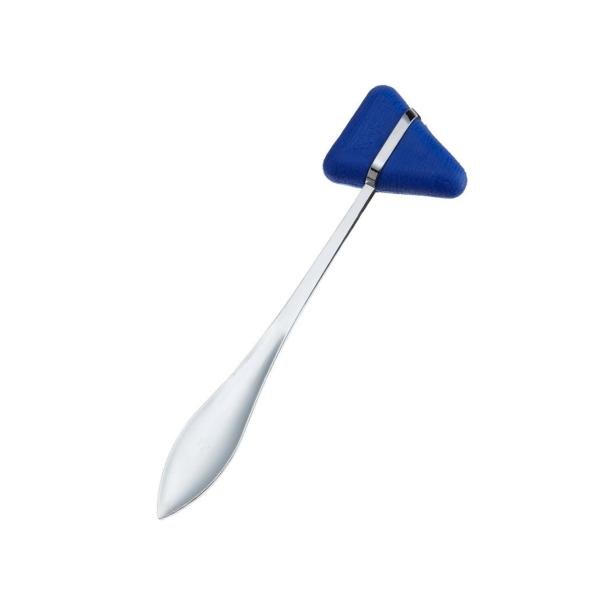
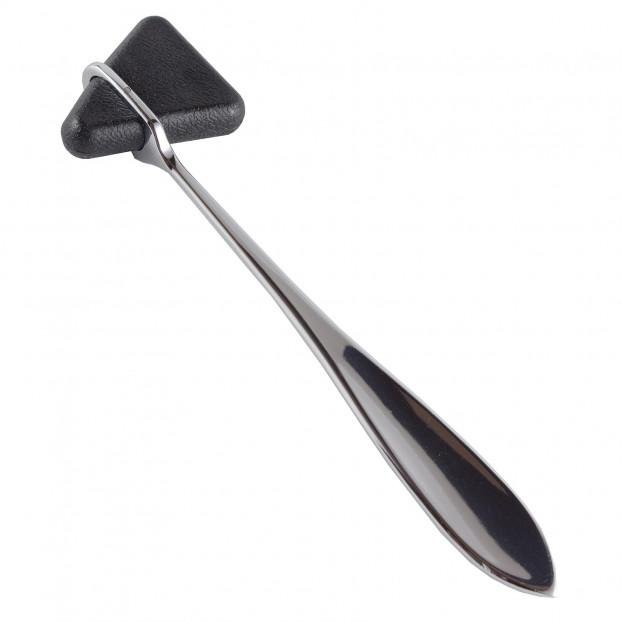
The Taylor-type design is commonly associated with a triangular or flat rubber striking head attached to a handle.

The striking surface is intended to provide a controlled impact during tendon-reflex examination.

Depending on the exact product design, variations may include differences in:

  • Head dimensions
  • Handle length
  • Handle material
  • Head material
  • Weight
  • Surface finish
  • Overall shape

Key Product Features

🔺 1. Triangular Striking Head

The distinctive triangular head provides a defined striking surface for clinical examination.

Its shape is characteristic of Taylor-style neurological reflex hammers.

🦵 2. Patellar Reflex Examination

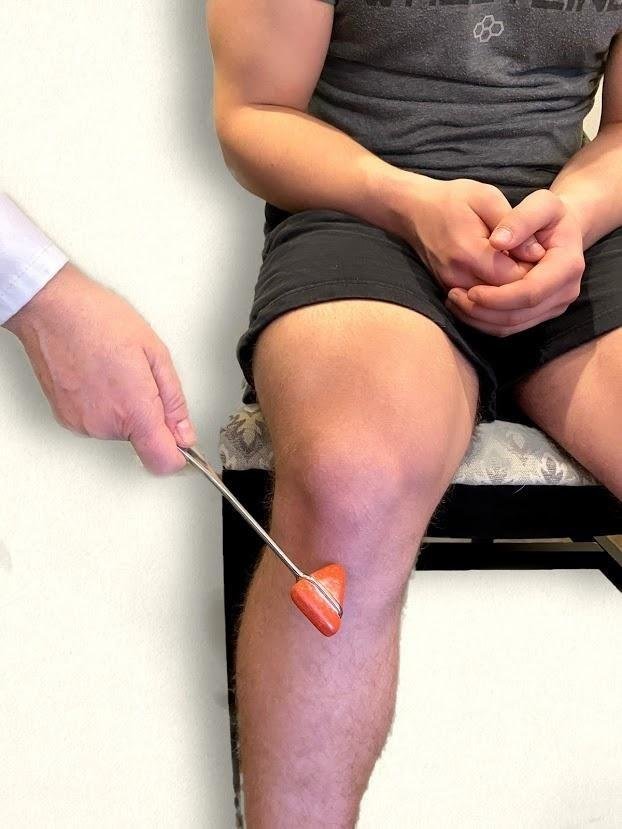
The instrument can be used by trained clinicians during examination of the patellar tendon reflex.

The clinician typically uses controlled percussion while observing the resulting lower-leg movement.

🧠 3. Neurological Assessment

Reflex testing can form part of a broader neurological examination.

Healthcare professionals may assess reflexes alongside:

  • Muscle strength
  • Sensation
  • Coordination
  • Muscle tone
  • Gait
  • Cranial nerve function
  • Other neurological findings

A reflex hammer alone cannot diagnose a neurological condition.

✋ 4. Ergonomic Handle

A properly designed handle provides a comfortable grip and allows the clinician to control the percussion force during examination.

🩺 5. Compact Clinical Instrument

The lightweight handheld format makes the instrument convenient for:

  • Examination rooms
  • Medical clinics
  • Hospitals
  • Teaching facilities
  • Neurology departments
  • Physiotherapy practices
  • Medical training programs

Common Clinical Applications

A reflex hammer may be used as part of examinations involving:

  • Patellar reflex
  • Achilles reflex
  • Biceps reflex
  • Triceps reflex
  • Other clinically appropriate tendon reflexes

The specific examination technique should be performed by an appropriately trained healthcare professional.

Why Reflex Testing Matters

Deep tendon reflexes provide information about the function of parts of the neurological system, including sensory pathways, motor pathways, peripheral nerves, spinal cord segments, and related structures.

Clinicians may compare reflex responses between sides of the body and interpret them together with the patient’s history and other examination findings.

An abnormal reflex response does not by itself establish a diagnosis.

Medical Education & Training

Reflex hammers are also useful in medical education.

Students and trainees can learn:

  • Basic neurological examination techniques
  • Tendon-reflex testing
  • Appropriate hammer positioning
  • Controlled percussion
  • Reflex grading
  • Comparison of left and right sides
  • Clinical documentation

Practical examination should be performed under appropriate professional instruction.

Product Design Considerations

For medical distributors and institutional buyers, several characteristics can influence product selection.

Handle

A well-balanced handle can make controlled examination easier.

Striking Head

The striking head should be securely attached and have a suitable examination surface.

Weight

Appropriate weight contributes to predictable handling and percussion.

Materials

Materials should be durable and suitable for repeated clinical use.

Surface Finish

Smooth, properly finished surfaces can facilitate cleaning and routine maintenance.

Cleaning & Maintenance

The appropriate cleaning method depends on the materials and manufacturer’s instructions.

For reusable instruments:

  1. Follow the manufacturer’s cleaning instructions.
  2. Clean the instrument after use as required by facility procedures.
  3. Use compatible disinfectants where applicable.
  4. Avoid chemicals that may damage rubber, plastics, or metal components.
  5. Inspect the striking head and handle regularly.
  6. Remove damaged instruments from clinical use.

Do not assume that a standard reflex hammer is suitable for sterilization by autoclave unless the manufacturer specifically states that it is.

Wholesale & OEM Opportunities

The Taylor-type reflex hammer can be suitable for OEM/ODM and private-label medical instrument programs.

Depending on manufacturing capabilities, customization may include:

  • Handle materials
  • Handle colors
  • Logo printing
  • Laser engraving
  • Custom head designs
  • Packaging
  • Instruction cards
  • Retail boxes
  • Medical instrument sets

Custom branding can help distributors create consistent neurological examination product lines.

Wholesale Market Applications

Potential B2B customers include:

  • Medical-device wholesalers
  • Hospital suppliers
  • Neurology equipment distributors
  • Clinic suppliers
  • Physiotherapy suppliers
  • Medical education institutions
  • Healthcare retailers
  • Medical e-commerce companies
  • Private-label medical brands

Quality Control

Before purchasing in bulk, buyers should inspect:

Head attachment: Ensure the striking head is securely fixed.

Handle: Check for cracks, deformation, sharp edges, or manufacturing defects.

Balance: Confirm comfortable handling during clinical examination.

Materials: Verify the specified materials and applicable quality requirements.

Surface: Ensure the product has a smooth and professionally finished surface.

Packaging: Check that individual instruments are adequately protected during transportation.

Regulatory & Documentation Considerations

If the reflex hammer is marketed as a medical device or diagnostic instrument, regulatory requirements depend on the destination market and product classification.

Professional buyers may request:

  • Product specifications
  • Material information
  • Intended-use statement
  • Instructions for use
  • Quality-control documentation
  • Testing reports where applicable
  • Regulatory documentation where applicable
  • Packaging and labeling information

Claims such as CE certified, medical-grade, clinically proven, or diagnostic-grade should only be made when supported by documentation for the specific product.

The Trigonal Neurological Reflex Patella Hammer / Taylor-Type Reflex Hammer is a compact clinical instrument designed for tendon-reflex assessment during neurological and physical examinations.

Its triangular striking head, ergonomic handle, and portable format make it a practical addition to professional examination equipment used in hospitals, clinics, neurology departments, physiotherapy practices, and medical education facilities.

For medical wholesalers, distributors, and OEM/private-label brands, customization of materials, colors, handles, logos, packaging, and instrument sets can provide opportunities for developing professional neurological examination product ranges.

RELATED POSTS

Medical Surgical Instruments – Trigonal Neurological Reflex Patella Hammer

Medical Surgical Instruments – Trigonal Neurological Reflex Patella Hammer, Taylor-Type Medical Hammer The Trigonal Neurological Reflex Patella Hammer, also known as a Taylor-type reflex hammer, is a clinical diagnostic instrument designed for healthcare professionals to assess tendon reflexes during neurological and physical examinations. Featuring a compact triangular-style striking head and ergonomic handle, this medical instrument is intended to provide controlled percussion during routine clinical assessments. It can be suitable for hospitals, clinics, neurological departments, physiotherapy practices, medical distributors, and professional healthcare facilities. What Is a Neurological Reflex Hammer? A neurological reflex hammer is a handheld diagnostic instrument used by trained healthcare professionals to elicit deep tendon reflexes. During a neurological examination, controlled tapping of an appropriate tendon can produce a reflex response. The clinician evaluates the response alongside other findings to help assess neuromuscular function. A reflex hammer is a diagnostic examination instrument, not a treatment device. Taylor-Type Reflex Hammer The Taylor-type design is commonly associated with a triangular or flat rubber striking head attached to a handle. The striking surface is intended to provide a controlled impact during tendon-reflex examination. Depending on the exact product design, variations may include differences in: Head dimensions Handle length Handle material Head material
Read More »

Massager Robot Gloves

Left & Right Hand Massager Robot Gloves – Rehabilitation Therapy Support for Stroke & Hand Exercise The Left & Right Hand Massager Robot Glove is designed as a hand rehabilitation and exercise-support device for users who require assistance with hand movement and therapy. With left- and right-hand configurations, the product can be incorporated into selected rehabilitation programs involving hand mobility, finger movement, and repetitive exercise. It may be suitable for rehabilitation centers, physiotherapy clinics, medical distributors, hospitals, home-care suppliers, and OEM/private-label rehabilitation equipment brands. What Is a Hand Rehabilitation Robot Glove? A rehabilitation robot glove is a wearable device designed to assist or guide selected hand and finger movements. Depending on the specific model, the glove may use powered or pneumatic mechanisms to support repetitive hand-opening, closing, or finger exercises. For people recovering from neurological or orthopedic conditions, repetitive movement may form part of a broader rehabilitation program prescribed by a healthcare professional. The device should not be described as curing stroke, hemiplegia, paralysis, or neurological disorders. Key Product Features 🖐️ 1. Left & Right Hand Options The availability of left- and right-hand configurations allows the device to be matched to the intended hand. This is important because rehabilitation requirements

Read More »

Orthopedic Medical Cervical, Thoracic & Spinal Braces

Orthopedic Medical Cervical, Thoracic & Spinal Braces – Professional Support and Fracture Protection Solutions Orthopedic cervical, thoracic, and spinal braces are designed to provide targeted support, stabilization, and protection for different areas of the spine. Depending on their specific design and intended use, these orthopedic supports may be used during injury management, post-operative care, rehabilitation, or recovery under appropriate medical supervision. For medical distributors, orthopedic suppliers, hospitals, rehabilitation centers, pharmacies, and OEM/ODM healthcare brands, spinal braces offer a broad product category for professional orthopedic-care markets. What Are Spinal Orthopedic Braces? Spinal orthopedic braces are external support devices designed to help stabilize or control movement of specific regions of the spine. Common categories include: Cervical braces – support the neck and cervical spine Thoracic braces – support the upper and middle back Lumbar braces – support the lower back Thoracolumbosacral orthoses (TLSO) – support larger sections of the torso and spine Fracture-support braces – designed for selected injuries according to professional recommendations The appropriate brace depends on the patient’s condition, anatomy, injury, and treatment plan. Cervical Spine Braces Cervical braces are designed to provide support around the neck. They may be incorporated into care plans for selected conditions such as: Certain

Read More »

Master Medical Supply First Aid Kits

Medical Supply First Aid Kits – Professional Emergency Care Solutions A well-organized Medical First Aid Kit provides essential supplies for responding to common minor injuries and emergencies. Designed for convenient storage and quick access, first aid kits can be used in homes, offices, schools, vehicles, workplaces, outdoor activities, and emergency-preparedness programs. For medical distributors, wholesalers, retailers, corporate buyers, schools, workplaces, and OEM/private-label brands, wholesale first aid kits offer a practical way to provide essential basic-care supplies in one organized package. What Is a Medical First Aid Kit? A first aid kit is a collection of medical and emergency-care supplies assembled for use during initial response to injuries or minor health incidents. Depending on its intended market, a kit may contain items such as: Adhesive bandages Gauze pads Medical tape Elastic bandages Antiseptic products Disposable gloves Scissors Tweezers Emergency blankets Wound dressings CPR-related supplies Other first-aid accessories The exact contents should be clearly specified and matched to the intended use. Key Advantages of Wholesale First Aid Kits 1. Organized Emergency Supplies Keeping multiple first-aid items together allows users to locate essential supplies more efficiently when needed. 2. Portable Storage Many kits are supplied in compact bags, boxes, or cases that can

Read More »

5×10cm Elastic

5×10cm Elastic Fabric Arm, Leg & Waist-Shaped Bandage – Stretchable Water-Resistant Wound Dressing The 5×10cm Elastic Fabric Bandage is a versatile wound-care dressing designed to provide comfortable coverage and support for selected minor wounds on areas such as the arm, leg, and waist. Featuring an elastic fabric construction, stretchable fit, floral pattern, and water-resistant characteristics, it combines practical wound-care functionality with an attractive appearance. This type of dressing can be suitable for first-aid kits, home healthcare, pharmacies, medical distributors, clinics, and OEM/private-label wound-care brands. Product Overview Elastic fabric wound dressings are designed to cover and protect minor wounds while allowing the dressing to move with the body. The 5×10cm format provides a compact dressing area that may be suitable for appropriately sized minor cuts, abrasions, scratches, or superficial wounds. The actual wound size and application should always be considered before selecting a dressing. Key Product Features 1. Elastic Fabric Construction The flexible fabric allows the dressing to conform to body movement. This can make it suitable for areas that frequently move, including: Arms Legs Wrists Ankles Waist and other suitable areas The dressing should not be stretched excessively during application. 2. Stretchable Design The elastic structure can provide a flexible

Read More »

Amblyopia Occlusion Eye Patches for Children

Amblyopia Occlusion Eye Patches for Children – Full-Cover Single-Eye Cover for Strabismus & Vision Training Amblyopia occlusion patches are designed to cover one eye as part of an eye-care professional’s prescribed vision-training or occlusion program. These patches can provide full coverage of the selected eye while allowing the child to continue wearing glasses when the product is designed for spectacle use. For ophthalmic suppliers, pediatric eye-care distributors, pharmacies, medical wholesalers, and OEM/private-label brands, children’s eye patches can be an important addition to pediatric vision-care product ranges. What Are Amblyopia Eye Patches? Amblyopia, commonly called “lazy eye,” is a childhood vision-development condition in which vision develops less effectively in one eye. One established treatment approach is occlusion therapy, in which the better-seeing eye is covered for a prescribed period so the weaker eye is encouraged to work. An occlusion patch is therefore designed to block vision through one eye while the child performs normal visual activities, according to the treatment plan provided by an eye-care professional. The appropriate treatment duration and patching schedule should always be determined by a qualified ophthalmologist or optometrist. Key Product Features 1. Full-Eye Coverage The full-cover design is intended to block the selected eye effectively when

Read More »

Medical Hand Brace for Broken Thumb & Finger Support

Medical Hand Brace for Broken Thumb & Finger Support – Fracture Stabilizer and Finger Splint The Medical Hand Brace for Broken Thumb and Finger Support is designed to provide targeted stabilization and protection for the hand and selected fingers. With a supportive splint structure, the product can be used as part of appropriate care for certain finger or thumb injuries, including situations where temporary immobilization is recommended by a healthcare professional. Its compact design makes it suitable for orthopedic suppliers, rehabilitation clinics, pharmacies, medical distributors, sports-support retailers, and OEM/private-label healthcare brands. What Is a Hand and Finger Splint? A hand or finger splint is an orthopedic support designed to help restrict movement around an injured or healing area. Depending on its specific design and intended use, a finger splint may provide support for areas such as: Thumb Index finger Middle finger Ring finger Little finger/pinky Hand joints The correct splint depends on the location and type of injury. A general-purpose finger brace should not be assumed to be appropriate for every fracture or hand condition. Key Product Features 1. Targeted Finger Stabilization The supportive structure is designed to help limit unwanted movement of the affected finger while supporting the surrounding

Read More »

Inflatable Cervical Collar Neck Support

Inflatable Cervical Collar Neck Support – Adjustable Cervical Treatment & Rehabilitation Brace The Inflatable Cervical Collar Neck Support Bracket is designed to provide adjustable support around the neck during selected rehabilitation and supportive-care applications. Its inflatable structure allows the user or healthcare professional to adjust the collar’s height and pressure according to the product’s instructions. With a lightweight and portable design, this type of cervical support can be suitable for rehabilitation centers, physiotherapy suppliers, medical distributors, pharmacies, home-care providers, and OEM/private-label healthcare brands. What Is an Inflatable Cervical Collar? An inflatable cervical collar is a neck-support device that uses an air-filled chamber or inflatable structure to provide adjustable support around the cervical region. Unlike a fixed rigid collar, an inflatable design can potentially provide a more customizable fit. The device should be used only for its specified purpose. It should not be assumed to treat or cure neck disorders or replace professional medical assessment. Key Product Features 1. Inflatable Support Structure The inflatable construction allows the collar to be adjusted according to the user’s neck dimensions and the manufacturer’s recommended procedure. Appropriate inflation is important. Excessive inflation may create unwanted pressure or discomfort. 2. Adjustable Neck Support The collar can

Read More »

Adjustable Wrist Stabilizer

Breathable & Comfortable Compression Wrist Support Splint Brace – Adjustable Wrist Stabilizer The Breathable Compression Wrist Support Splint Brace is designed to provide comfortable support and compression around the wrist during everyday activities, sports, work, and rehabilitation. Its breathable construction and supportive splint design make it suitable for users seeking additional wrist stability while maintaining flexibility and comfort. For medical distributors, orthopedic suppliers, sports retailers, pharmacies, rehabilitation centers, and OEM/private-label brands, this wrist brace is a versatile addition to a hand and orthopedic-support product range. What Is a Compression Wrist Support Brace? A compression wrist brace is a wearable support designed to provide controlled compression and stabilization around the wrist. Depending on its specific construction, the brace may help support the wrist during activities that involve repetitive or sustained movement. It should be considered a supportive product rather than a guaranteed treatment for wrist pain. Persistent or severe wrist pain should be evaluated by an appropriate healthcare professional. Key Product Features 1. Breathable Material The breathable construction is designed to improve airflow around the wrist and help reduce heat and moisture accumulation during appropriate wear. This can make the brace more comfortable for users who wear wrist support for extended

Read More »

Adjustable Knee Sports Pads with Side Stabilizers & Gel Cushion

Adjustable Knee Sports Pads with Side Stabilizers & Gel Cushion – Athletic Knee Support for Training and Active Use The Adjustable Knee Sports Pads with Side Stabilizers and Gel Cushion are designed to provide supportive compression, cushioning, and stability during sports, training, fitness, and other active activities. Combining an adjustable structure with side stabilizers and a gel-padded area, this knee support can provide a comfortable fit while helping protect the knee during everyday athletic movement. Suitable for athletes, fitness enthusiasts, runners, gym users, outdoor sports participants, and active individuals, the product is also well suited for medical-supply distributors, sporting-goods wholesalers, and OEM/private-label brands. What Are Adjustable Sports Knee Pads? Sports knee pads are wearable support products designed to provide cushioning and compression around the knee during physical activity. The adjustable design allows users to customize the fit according to their leg circumference and comfort requirements. Side stabilizers may provide additional structural support, while a gel cushion can help provide padding in the knee-contact area. The product should be used according to its intended purpose and should not be considered a substitute for professional diagnosis or treatment of a knee injury. Key Product Features 1. Adjustable Fit The adjustable fastening system

Read More »

Submit Your Sourcing Request

Please complete the form below and our customer support team will be in touch with you shortly. Inquiries submitted through this form will receive priority processing over emails.