
Medical Hand Brace for Broken Thumb & Finger Support – Fracture Stabilizer and Finger Splint
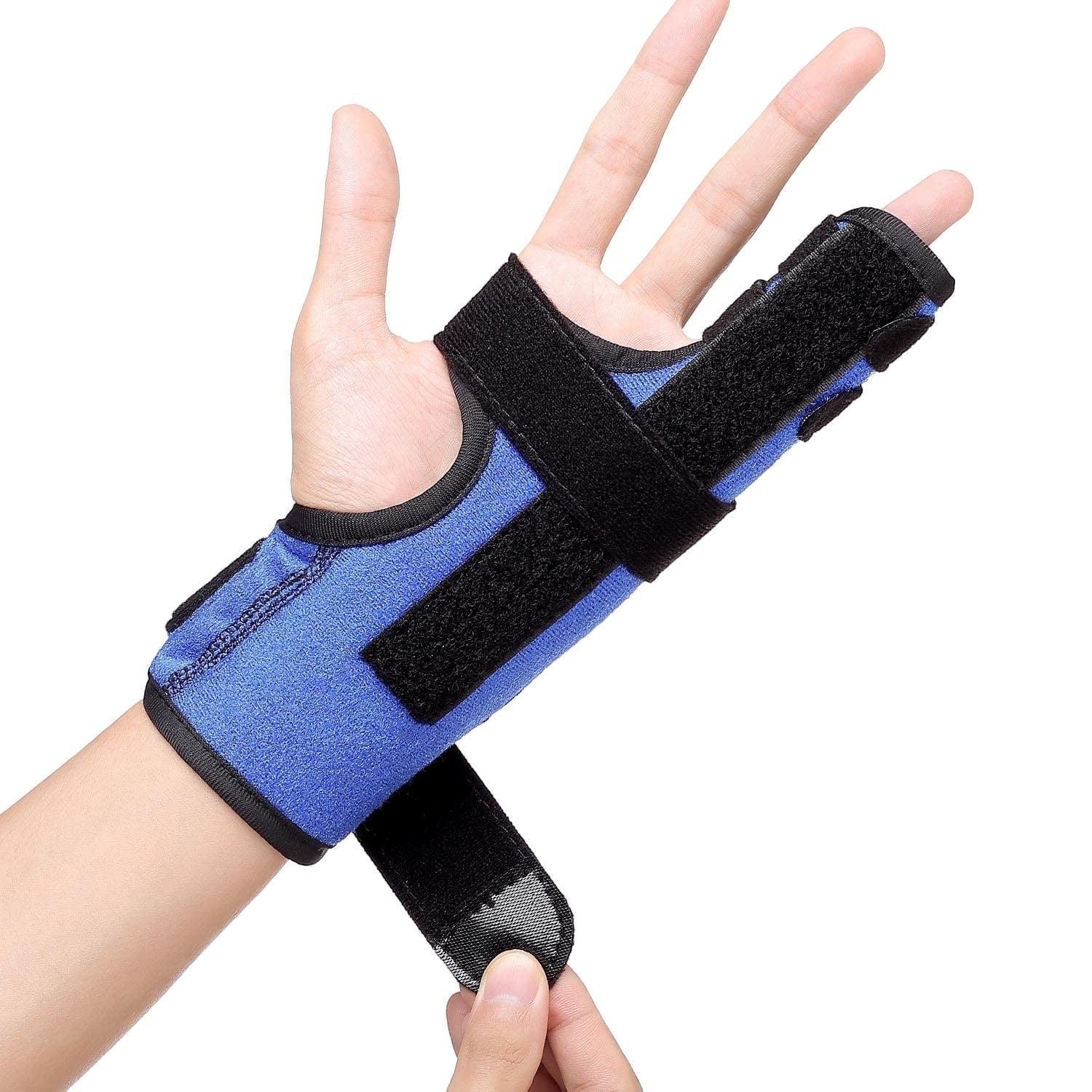
The Medical Hand Brace for Broken Thumb and Finger Support is designed to provide targeted stabilization and protection for the hand and selected fingers. With a supportive splint structure, the product can be used as part of appropriate care for certain finger or thumb injuries, including situations where temporary immobilization is recommended by a healthcare professional.
Its compact design makes it suitable for orthopedic suppliers, rehabilitation clinics, pharmacies, medical distributors, sports-support retailers, and OEM/private-label healthcare brands.
What Is a Hand and Finger Splint?
A hand or finger splint is an orthopedic support designed to help restrict movement around an injured or healing area.
Depending on its specific design and intended use, a finger splint may provide support for areas such as:
- Thumb
- Index finger
- Middle finger
- Ring finger
- Little finger/pinky
- Hand joints
The correct splint depends on the location and type of injury. A general-purpose finger brace should not be assumed to be appropriate for every fracture or hand condition.
Key Product Features
1. Targeted Finger Stabilization
The supportive structure is designed to help limit unwanted movement of the affected finger while supporting the surrounding area.
This may be useful during selected stages of injury recovery when immobilization has been recommended.
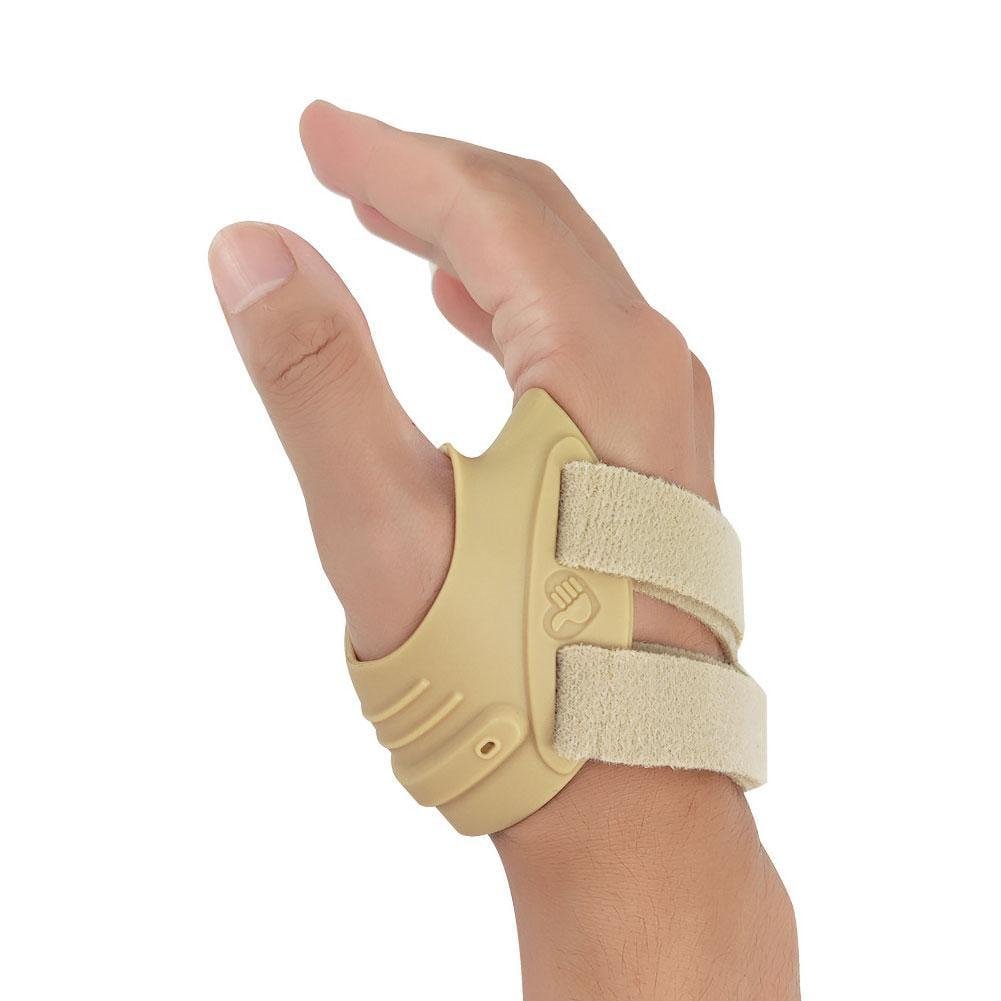
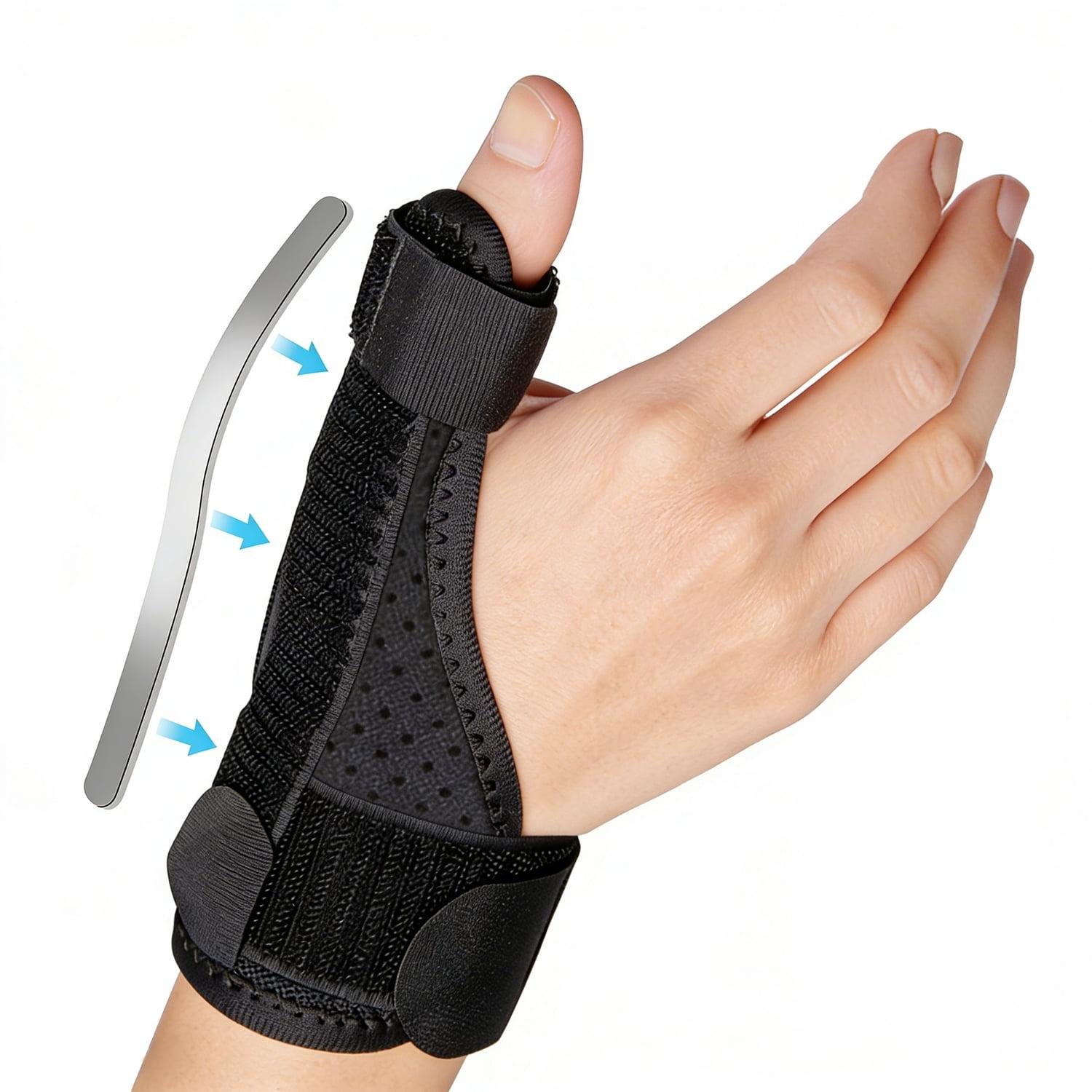
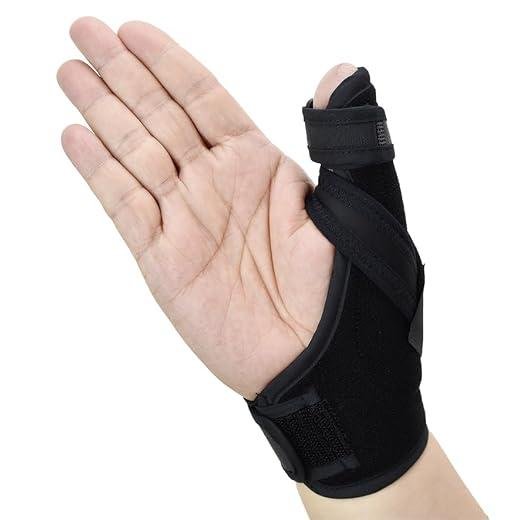
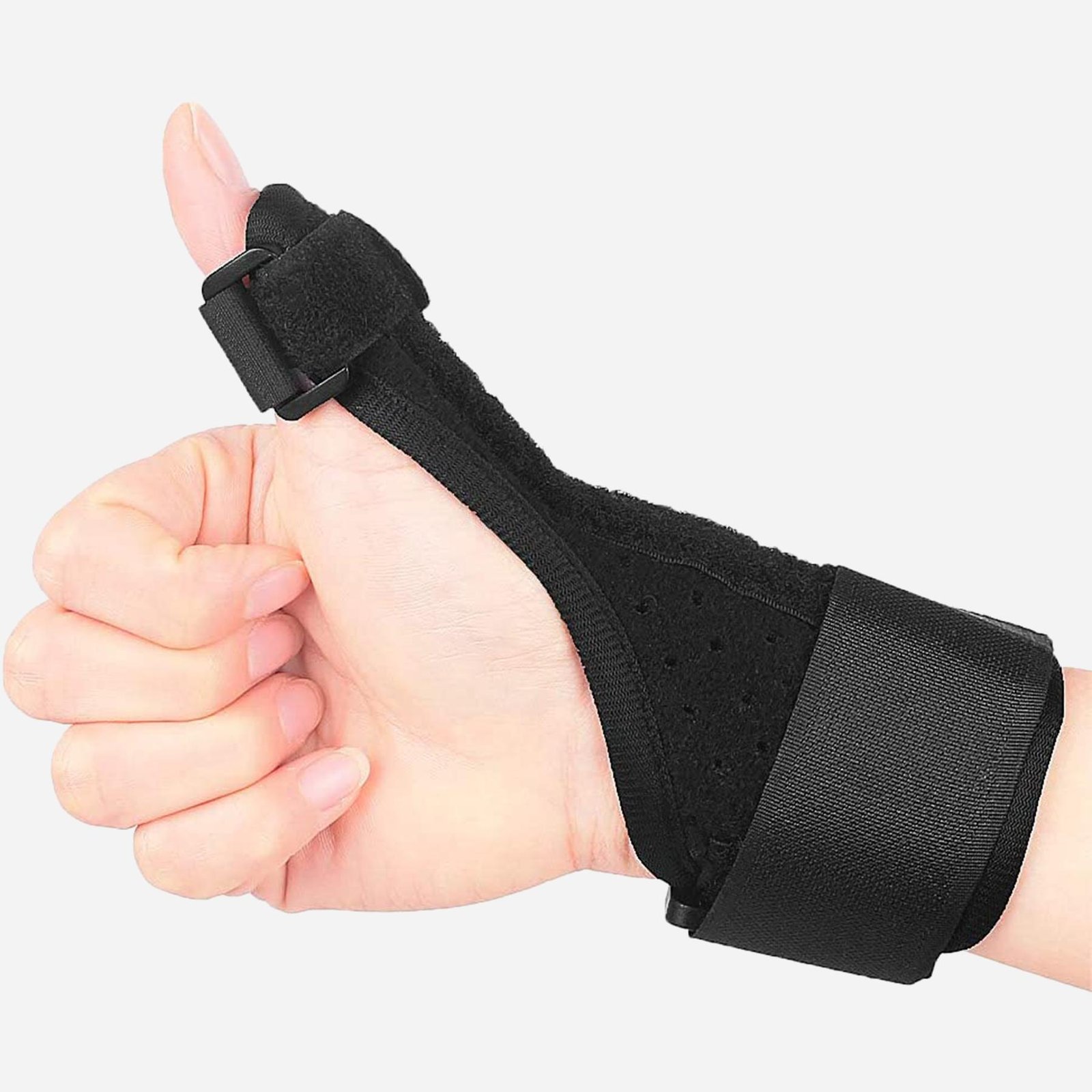
2. Thumb Support
A suitable thumb-support configuration can help stabilize the thumb and limit movement where clinically appropriate.
For suspected fractures or significant thumb injuries, professional assessment is important because different injuries may require different levels of immobilization.
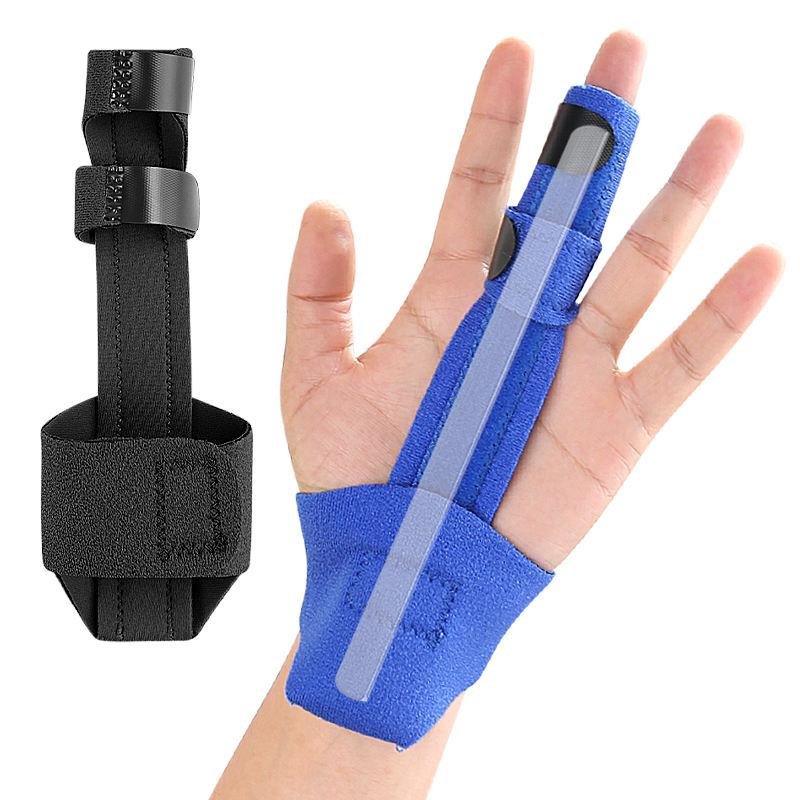
3. Pinky & Middle Finger Applications
Depending on the model and sizing configuration, the splint may be suitable for selected finger injuries involving the little finger or middle finger.
Buyers should confirm the exact anatomical area and recommended application from the manufacturer’s instructions.
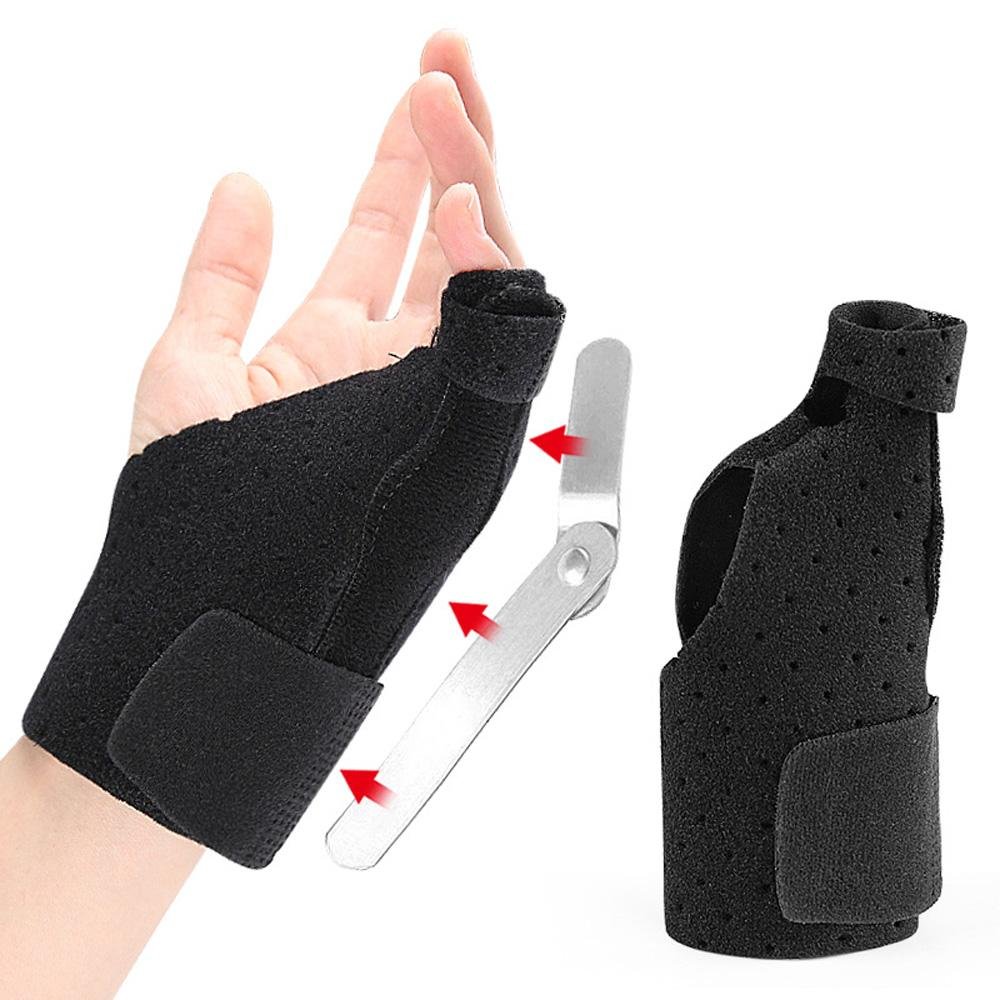
4. Protective Construction
A rigid or semi-rigid support structure can provide a protective barrier around the injured area.
The actual rigidity and stabilization level depend on the materials and construction of the specific product.
5. Adjustable Fastening
Adjustable straps can help secure the brace around the hand or finger and allow the user or healthcare professional to achieve an appropriate fit.
The brace should not be tightened excessively.
Potential Applications
Depending on the product’s approved intended use, a medical hand or finger brace may be used for:
- Selected finger fractures
- Thumb injuries
- Sprains
- Joint support
- Post-injury immobilization
- Rehabilitation
- Protection during recovery
A suspected fracture should be medically assessed, especially when there is significant swelling, deformity, severe pain, loss of movement, numbness, or discoloration.
Benefits of a Quality Finger Splint
A properly designed hand brace may provide:
- Targeted stabilization
- Reduced unwanted movement
- Protective support
- Adjustable fit
- Lightweight construction
- Easy application
- Compact storage
- Multiple size options
- OEM/private-label potential
Why Proper Immobilization Matters
Following certain hand or finger injuries, excessive movement can increase discomfort and may interfere with appropriate healing.
A properly selected splint can help restrict movement while the injury is being managed.
However, the brace itself does not repair a fracture. Depending on the injury, treatment may involve medical assessment, imaging, reduction, casting, surgery, rehabilitation, or other interventions.
Choosing the Correct Size
Correct sizing is essential for effective and comfortable support.
Wholesale buyers should check the manufacturer’s sizing guide, including:
- Finger circumference
- Finger length
- Hand circumference
- Thumb dimensions
- Brace width
- Adjustment range
The brace should provide secure support without causing excessive pressure.
Watch for:
- Numbness
- Tingling
- Increasing swelling
- Skin discoloration
- Coldness of the fingers
- Significant discomfort
These may indicate that the brace needs adjustment or professional assessment.
Material & Construction Quality
When sourcing hand braces in bulk, buyers should evaluate:
Support Structure
Check the rigidity, shape, durability, and anatomical design.
Padding
Soft padding can improve comfort at contact points.
Straps
Fastening straps should remain secure during normal use and allow appropriate adjustment.
Edges
Smooth edges help reduce unnecessary friction against the skin.
Breathability
Where the design covers a significant portion of the hand, breathable materials may improve wearing comfort.
Suitable for Medical & Rehabilitation Supply
The product can be considered for distribution through:
- Orthopedic suppliers
- Medical-equipment wholesalers
- Rehabilitation centers
- Physiotherapy suppliers
- Pharmacies
- Hospitals and clinics
- Sports injury suppliers
- Home-care retailers
- Online medical stores
OEM & Private-Label Opportunities
For healthcare brands and distributors, the product can support OEM/ODM programs.
Depending on factory capabilities, customization may include:
- Custom colors
- Custom sizes
- Logo printing
- Logo labels
- Custom packaging
- Retail boxes
- Instruction cards
- Private-label branding
- Customized product sets
A pink color option can also be incorporated into consumer-focused product collections where appropriate.
Quality Control for Wholesale Buyers
Before purchasing large quantities, buyers should evaluate:
Fit: Confirm sizing accuracy and adjustment range.
Support: Verify that the structure provides the intended level of stabilization.
Materials: Confirm material composition and skin-contact properties.
Fastening: Test straps and closures for repeated use.
Finish: Check edges, seams, stitching, and overall workmanship.
Packaging: Ensure products are adequately protected during shipping and storage.
Important Safety Information
A finger or thumb brace is a support device and does not replace professional diagnosis.
Seek medical attention for suspected fractures, major trauma, severe pain, obvious deformity, open wounds, loss of sensation, or significant circulation changes.
Users should follow their healthcare professional’s instructions regarding:
- When to wear the brace
- How tightly to fasten it
- How long to wear it
- Whether it should be removed for bathing or exercise
- When follow-up assessment is required
Do not use an improperly sized or damaged brace.
Regulatory & Wholesale Considerations
If marketed as a medical device, the product may be subject to regulatory requirements in the destination market.
Professional buyers should request applicable documentation, such as:
- Product specifications
- Material information
- Intended-use statement
- Instructions for use
- Quality-control documentation
- Testing reports where applicable
- Labeling information
- Declaration of Conformity where applicable
Claims such as CE certified, medical-grade, or clinically proven should only be made when supported by appropriate documentation for the specific product.
The Medical Hand Brace for Broken Thumb and Finger Support provides targeted stabilization and protection for selected hand and finger injuries. Its supportive structure, adjustable fastening, compact design, and multiple application possibilities make it suitable for orthopedic, rehabilitation, sports-support, and home-care product ranges.
For medical wholesalers, pharmacies, rehabilitation suppliers, orthopedic retailers, and OEM/private-label brands, the product offers opportunities for customized sizing, colors, packaging, and branding.
For suspected fractures or significant injuries, professional medical assessment should always determine the appropriate type and duration of immobilization.