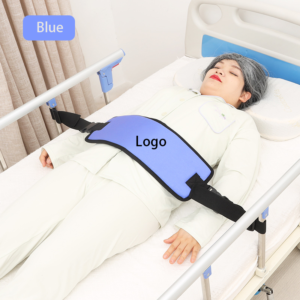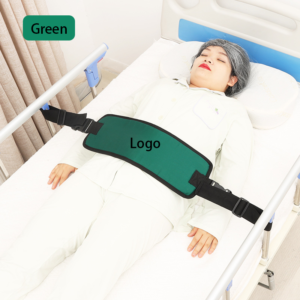
Cross-border medical resellers sourcing patient safety gear can choose our OEM green buckle medical patient restraint garment. We offer custom fabric, size labels, packaging and logo printing to match your listing requirements. The green buckle locking system meets clinical safety standards, widely searched by rehab centers and psychiatric clinics. This item gains exposure on Instagram healthcare supply reels and TikTok medical product showcases. We support small trial orders for social commerce stores and large container shipments for Alibaba B2B distributors.
Support Walking Assistance Transfer Belt: 7 Mistakes Caregivers Make
7 Support Walking Assistance Transfer Belt Mistakes That Turn Safety Gear Into a Hazard You bought the belt. You watched a video. You think you are ready. But the most common transfer belt mistakes are not dramatic—they are small habits that quietly undermine safety until the day they don‘t. Here are the errors caregivers make most often, and the fixes that take seconds to apply. 1. Placing the Belt Directly on Bare Skin Always put the belt over clothing. Bare skin creates friction, pinching, and abrasion during movement. For frail users with thin skin, add a small towel between the clothing and the belt before tightening. This is not overkill—it is basic skin protection. 2. Tightening Until the User Cannot Breathe A belt should be snug, not tight. The universal test: you should be able to slide two fingers between the belt and the person’s body. If you cannot, loosen it. If you can fit a whole hand, tighten it. A belt that is too tight restricts breathing and causes the user to tense up, which makes the transfer harder for both of you. 3. Gripping the Belt From the Front Instead of the Handles If your belt has handles,