Why a Bed Restraint Strap Belt Is Not a “Set-and-Forget” Product
If you are caring for an aging parent or a loved one with dementia, you already know the fear of nighttime wandering and falls. A bed restraint strap belt can be a useful safety tool—but only when it is selected, fitted, and monitored correctly. Used poorly, it creates new risks. Here is what actually matters.
1. Understand What This Belt Is—and Is Not
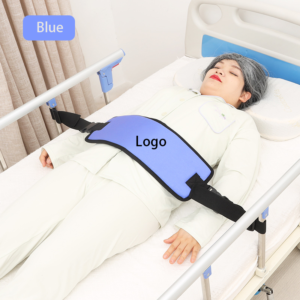
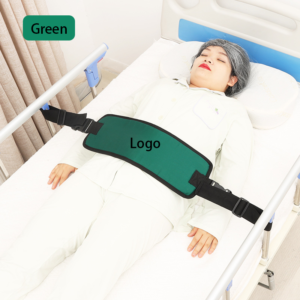
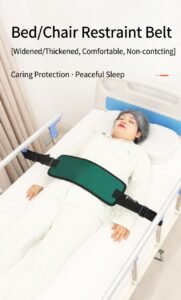
A bed restraint strap belt is designed to limit unassisted exits from bed while still allowing the user to turn and shift position. It is not a substitute for bed rails, motion monitors, or a proper fall-risk care plan. Think of it as a last-layer safety measure, not the first solution.
2. Check the Fit With the “Open Hand” Rule
A properly fitted belt should be snug but never tight. The standard field test: you should be able to slide an open, flat hand between the belt and the user’s body. If you cannot, it is too tight. If you can fit a fist, it is too loose and the user may slip downward—a serious suffocation risk.
3. Anchor to the Right Part of the Bed
Never anchor the straps to side rails or the headboard/footboard. Straps must attach to the part of the bed frame that moves with the patient—typically the adjustable platform section at waist level. Side rails can shift or collapse under tension. This is one of the most common misuse patterns in accident analyses.
4. Pair It With Raised Side Rails (Unless Contraindicated)
Clinical guidance consistently notes that bed restraint belts should not be used without side rails, because the belt alone does not prevent the user from rotating diagonally and climbing over the edge. Check with the prescribing clinician first—some configurations (such as five-point systems) have different rules.
5. Inspect the Belt Before Every Single Use
Run your hands along the webbing. Look for frayed edges, cracked buckles, torn padding, or loose stitching. A damaged strap can fail under body weight with no warning. If anything looks compromised, stop using it.
6. Keep the Release Mechanism Accessible to You—Not the User
Quick-release buckles and keys should be within immediate reach of the caregiver at all times. In an emergency, you need to release the belt in seconds. Also verify that the user cannot reach the buckle or loosen the strap independently.
7. Have a Reassessment Schedule
Restraint use should be time-limited and reviewed regularly. Ask the care team: Is the belt still necessary? Has the fall risk changed? Could a lower-restriction alternative work now? Document each check. This is not bureaucracy—it is how you prevent a temporary safety measure from becoming a permanent default.
Bottom line:A bed restraint strap belt buys you safety margin only when the fit, anchor point, and monitoring routine are all correct. Get those three right, and it can support dignified care.