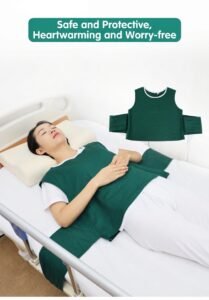
Bed Restraint Strap Belt Buying Guide: Match the Configuration to the Use Case
Search Amazon or Google for “bed restraint strap belt” and you will see dozens of listings that look similar. They are not. The material, buckle, and pad design determine whether the belt works for your specific situation—or becomes an uncomfortable return. Here is a practical comparison.
Material Showdown: Nylon Webbing vs Polyester vs Mesh Padding
The strap itself is almost always nylon or polyester webbing. Nylon tends to have higher tensile strength and abrasion resistance; polyester offers good durability at a lower cost and resists stretching. For the patient-contact pad, look for breathable air-mesh foam laminated to a soft fabric. A thick mesh layer distributes pressure better than a thin flat strap, especially for users who may be in bed for extended periods.
Buckle Types: Quick-Release vs Key-Lock vs Magnetic
-
Quick-release buckle: The caregiver presses a tab and the belt opens. Fastest for emergency release and daily repositioning. Best for home care settings where the caregiver is the primary operator.
-
Key-lock buckle: Requires a key or tool to release. Prevents patient self-loosening. Common in psychiatric and high-agitation settings. Requires strict key-control protocol.
-
Magnetic closure: Opens with a magnetic key. Used in some European care systems. Less common on Amazon US, but worth knowing if you are sourcing internationally.
Pad Width and Length: The Numbers That Actually Matter
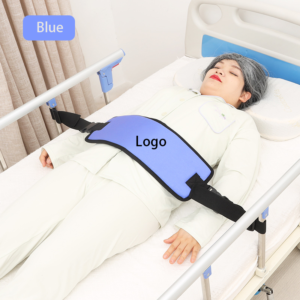
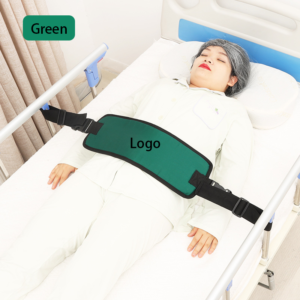
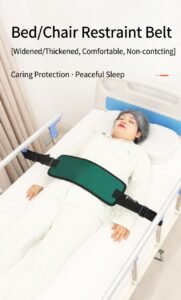
A narrow strap concentrates pressure. Look for a waist pad that is at least 4–6 inches wide and long enough to wrap comfortably around the user’s waist without digging. Total strap length matters for bed size: a 136-inch belt works for most hospital beds and care beds, while bariatric or oversized setups may need 200 inches or more. Measure your bed frame anchor point before ordering.
Dementia Care vs Post-Op Recovery: Different Priorities
For dementia and wandering prevention, the priority is preventing unassisted bed exits while allowing turning. A waist belt anchored to the moving bed frame with a quick-release buckle is the common configuration. For post-operative or agitated patients who may pull at lines, a key-lock or more restrictive system may be clinically indicated—but that decision should come from the care team, not the product listing.
The Return-Risk Check: What Buyers Consistently Complain About
Scan the 3-star and 4-star reviews on any listing. The recurring issues are: straps too short for the advertised bed size, buckles that feel flimsy after a few weeks, and padding that compresses flat. A slightly higher-priced belt with specified nylon webbing and a replaceable buckle is usually the better long-term buy than the cheapest option.
Quick decision framework:
-
Home dementia care:Quick-release, mesh-padded waist belt, 130–200 inch strap, anchor to moving frame.
-
Facility use:Key-lock or quick-release per protocol, written IFU, sizing range documented.
-
Wheelchair secondary use:Confirm the strap can route around the chair frame without interfering with wheels.