7 Shoulder Restraint Safety Rules That Separate Care From Harm
A shoulder restraint is a tool with a narrow margin between safety and harm. The same device that prevents a fall can cause a pressure injury, restrict breathing, or become a hazard in an emergency. The difference is not the product—it is the routine. These are the rules that experienced caregivers follow without exception.
1. Verify the Prescription or Care Plan First
A shoulder restraint is not a decision a caregiver makes alone. In facility settings, restraints require a physician‘s order, a documented rationale, and a care plan review. In home care, the decision should involve the patient’s clinician, especially if the patient has cognitive impairment or is on medications that affect alertness. If no one has formally assessed whether the restraint is appropriate, do not apply it.
2. Fit Over Clothing—Never on Bare Skin
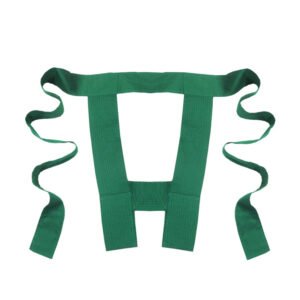
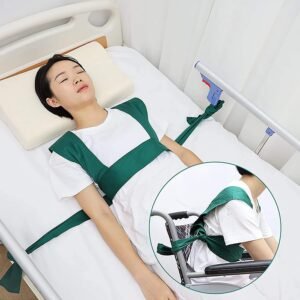
Straps should always sit over clothing, with a soft layer between the device and the skin. If the patient‘s clothing is thin or the strap is narrow, add a padded sleeve or a folded cloth. Before each use, check that the strap is not twisted and that it lies flat. A twisted strap concentrates pressure on a narrow line and can cause skin breakdown within hours.
3. Use the Two-Finger Rule—Every Time
You should be able to slide two fingers between the restraint and the patient’s body. If you cannot, it is too tight and restricts circulation and breathing. If you can fit a whole hand, it is too loose and the patient may slip free or become entangled. The two-finger check takes five seconds and prevents the most common fitting error.
4. Keep the Release Mechanism Accessible to You—Not the Patient
In an emergency—vomiting, choking, a fall—you need to release the restraint in seconds. The buckle or key must be immediately accessible to the caregiver at all times. Verify that the patient cannot reach and loosen the fastener independently. If the patient has cognitive impairment but intact manual dexterity, a magnetic or key-lock buckle is safer than a simple clip.
5. Check Circulation and Skin Every 15 Minutes
For bed-bound patients, the standard monitoring interval is every 15 minutes during continuous restraint use. Check the fingers for color, temperature, and sensation. Press the nail bed and confirm that color returns quickly. Ask the patient if they can feel your touch. If the skin is pale, cool, or the patient reports numbness, release the restraint immediately and reassess.
6. Never Use a Restraint as Punishment or Convenience
This is the ethical line that separates care from abuse. A restraint is justified only when it prevents a specific, imminent harm that cannot be prevented by less restrictive means. Staffing shortages, behavioral challenges, or caregiver frustration are not justifications. If you find yourself reaching for the restraint because it makes your job easier, stop and reassess. Document the specific safety concern the restraint addresses—and review whether it is still present at each shift change.
7. Document Everything
In facility settings, documentation is a regulatory requirement. In home care, it is your protection. Record the time the restraint was applied, the fit check result, the circulation checks, the time it was removed, and any skin changes observed. If a clinician or family member questions the use of restraint, the documentation is the evidence that it was used appropriately—or the warning sign that it was not.
The Rule That Overrides All Others:If you are unsure whether a shoulder restraint is appropriate, safe, or correctly fitted, do not use it. Ask a clinician. An unused restraint in a drawer is a better outcome than a used restraint that causes harm.