Leg-Lifting Assist Strap Types Explained: Which Design Actually Works for Your Situation?
Not all leg lifters are the same product with different colors. There are three distinct designs on the market, and they solve different problems. Buying the wrong type means the device sits in a drawer while you continue to struggle. Here is how to match the design to the user.
Type 1: Rigid Leg Lifter (Stiffened Stem or Metal Core)
This is the most common design for post-surgical and elderly users. A stiffened rod or metal strip runs along the length of the strap, keeping the foot loop open and rigid. You slide your foot into the loop without bending, then use the handles or wrist loop to lift.
Strengths:The foot loop stays open, which means no lassoing, no bending, and no frustration. The rigid stem gives directional control—you can guide the leg precisely where you want it. One long-term user with neuronal damage described the difference: “The semi-rigid central ‘core’ makes it better than the all-fabric type I had been using and gives me more control positioning the leg where I want it to go” .
Weaknesses:Rigid lifters are bulkier than soft straps and cannot be folded indefinitely. Some models arrive folded and must be bent back into shape; repeated folding can weaken the internal core. One reviewer warned: “It comes folder over for shipping and you are recommended not to frequently fold and unfold the strap since it is plastic and will break” .
Best for:Post-surgical patients (knee/hip replacement), users who cannot bend to position a strap, and anyone who needs precise leg guidance.
Type 2: Soft Webbing Leg Lifter (All-Fabric)
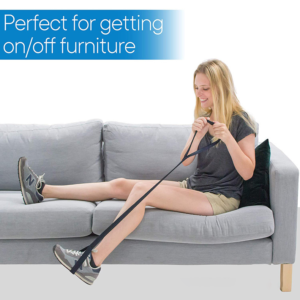
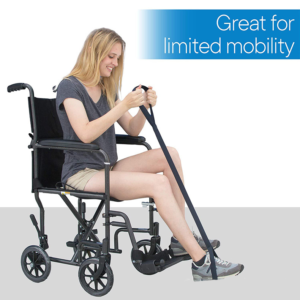
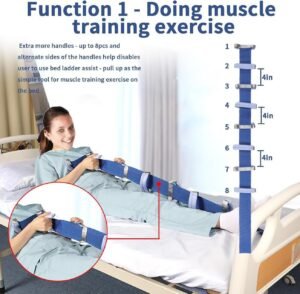
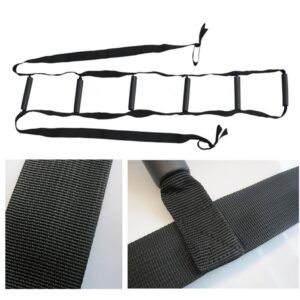
A soft lifter is essentially a long strap with loops at both ends—one for the hand or wrist, one for the foot. There is no rigid core.
Strengths:Lightweight, foldable, and inexpensive. Easy to store and travel with.
Weaknesses:The foot loop is floppy. You must throw or lasso the strap over your foot, which is difficult when your leg is immobile or you are seated at an awkward angle. Users who have tried both consistently prefer rigid for post-surgical use.
Best for:Users with mild mobility limitations who can still move their leg somewhat and want a compact, low-cost option.
Type 3: Thigh Lifter (Wrap-Style)
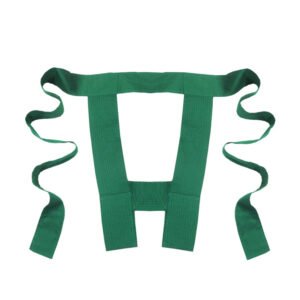
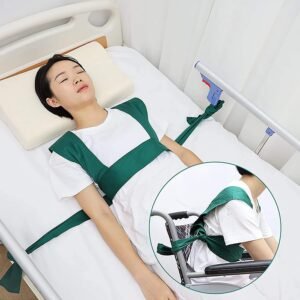
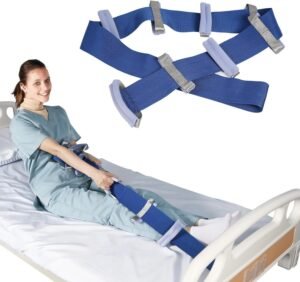
This design wraps around the thigh rather than the foot. A padded band with a handle or strap allows you to lift the leg by pulling up on the thigh.
Strengths:Useful for users who cannot tolerate a foot loop or who need to lift the leg from a higher point. The Vive thigh lifter, for example, uses quick-release buckles and breathable padding .
Weaknesses:Thigh lifters are more complex to put on and take off. They require the user to wrap and secure the band around the thigh, which can be difficult for someone with limited reach or hand strength. One reviewer noted the Velcro “isn‘t strong enough to keep the strap connected” . Another complained the material “stretches” and had to be reinforced .
Best for:Users who need to reposition the leg while already lying down or seated, and who have adequate hand function to apply the wrap.
The Decision Framework
-
Post-surgical, rigid foot loop needed → Type 1 (rigid leg lifter).
-
Mild weakness, budget priority, portability → Type 2 (soft webbing).
-
Repositioning while seated/lying, foot loop not feasible → Type 3 (thigh lifter).
-
User cannot bend to put on a thigh wrap → Type 1.
-
User needs to lift both legs simultaneously → Look for a rigid lifter with a wide enough foot section to support both feet, or buy two.
A Note on Foot Loop Padding:Regardless of type, check the foot contact area. Bare webbing or thin plastic against a bare foot or sock can be uncomfortable. Padded foot sections are available and make daily use more tolerable.
Bottom line:The rigid leg lifter is the default choice for post-surgical and elderly users who need reliable foot placement. The soft strap is a budget backup. The thigh lifter is a niche tool for repositioning. Match the type to the user’s actual limitation—not the product photo.