Bed Ladder Assist With Handle Rope: What Real Buyers Praise, What They Regret
Product listings show the device in ideal lighting. Buyer reviews show what happens after three weeks of nightly use. We read through the recurring themes in feedback for bed ladder assist devices with handle ropes—the features users love, the defects that cause returns, and the practical checks that separate a daily-use tool from a return-bin item.
What Buyers Consistently Love
1. It restores independence without permanent installation. The most repeated theme across reviews is the psychological value of self-reliance. One user with MS put it plainly: “I live alone and this will keep me safe for those unexpected moments. I was considering a bed rail but that would be really annoying and cumbersome. This is way cheaper and if I don‘t want to use it I can stick it in a drawer” . A bed rail is furniture. A ladder rope is a tool you can put away.
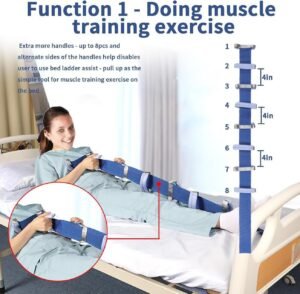
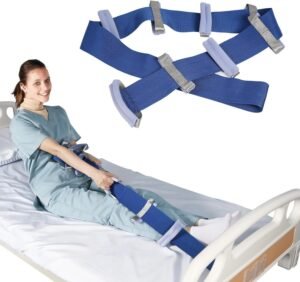
2. Padded EVA foam handles make the device usable for people with hand weakness. The Vive model uses three 5-inch EVA foam handles spaced 10.5 inches apart . Reviews from users with arthritis and neuropathy consistently report that the padding is what makes the device functional at all. Bare webbing rungs get abandoned.
3. It works for turning and repositioning, not just sitting up. This is the most under-marketed benefit. A reviewer with back and hip issues noted: “It helps me sit up and then swing my legs so I can get out of bed easier. It also helps me turn over in bed” . For users with chronic pain or limited trunk control, the ladder becomes a general bed mobility aid.
The Complaint Pattern: What Buyers Regret
1. The adjustment buckle can slip under load. This is the most serious and frequently cited defect. One reviewer of a competing model was blunt: “The buckle length adjustment is useless. It slides and skips as soon as you put pressure on it… it’s very dangerous as the buckles can slide and let go as you‘re pulling on the handles causing you to fall backwards” . A friction-slide buckle is not adequate for a device bearing body weight at an angle.
What prevents it:Look for a secure composite buckle or a metal buckle. Test the lock by pulling hard before the user touches it. If the webbing slides even a fraction, do not use it.
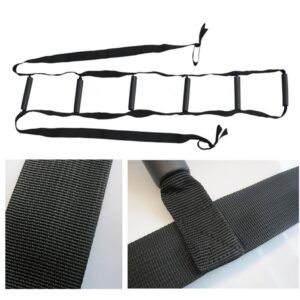
2. Bare webbing rungs do not work for hand-over-hand pulling. Some products show padded handles in the photo but ship with folded webbing. One reviewer noted the rungs “are just made of the strap material therefore using it hand over hand, rung by rung to pull yourself up doesn’t work” . Padded grips are not a luxury—they are the difference between a usable device and a frustrating one.
3. Anchor compatibility is assumed, not verified. Beds without exposed frame legs—platform beds, divans, beds on plywood bases—require creative anchoring. One buyer solved this by manufacturing attachment points and screwing them to the bottom of the plywood . Others strapped the ladder to slats under the mattress . Buyers who assumed universal fit were disappointed.
A Buyer’s Decision Checklist
Before you buy, verify these four points:
-
Buckle type:Secure composite or metal, not a friction slide.
-
Handle material:Padded EVA foam or rubberized grips, confirmed by buyer photos.
-
Stated strap length:Long enough to reach from your anchor point to the user‘s waist.
-
Anchor method:Matches your bed type—frame leg, slat, or added hardware.
Bottom line:The reviews are clear. Padded handles, a locking buckle, and a strap long enough for your bed are the three features that determine whether the device gets used daily or returned. Choose based on those three, and the ladder will do the job it was bought for.