Adjustable Bed Ladder Assist Rope: What Real Buyers Praise, What They Regret, and How to Choose
Product listings tell you what a bed ladder is supposed to do. Reviews tell you what actually happens after three weeks of use. We read through the recurring themes in buyer feedback for adjustable bed ladder assist ropes—the praise, the complaints, and the surprising use cases—so you can choose with your eyes open instead of relying on a marketing photo.
The Praise Pattern: What Buyers Consistently Love
Across listings, four themes dominate positive reviews:
1. It restores independence without a permanent installation. Buyers repeatedly highlight that the ladder is portable, low-profile, and removable. One reviewer who lives alone put it plainly: “I was considering a bed rail but that would be really annoying and cumbersome. This is way cheaper and if I don‘t want to use it I can stick it in a drawer.” The ladder is not furniture. It is a tool you can put away.
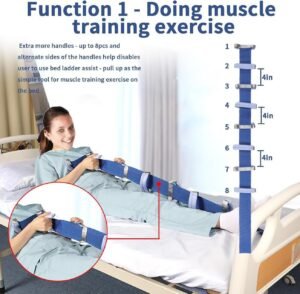
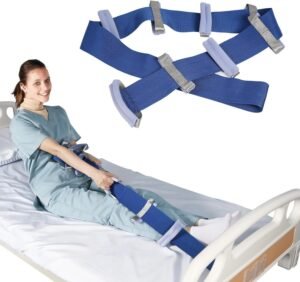
2. Padded handles make a measurable difference. Reviews that mention foam or rubberized grips are overwhelmingly positive. Users with arthritis and hand weakness report that the padding is what makes the device usable at all. One reviewer described the handle as “soft and doesn’t hurt her hands” —a small detail that determines whether the device gets used or abandoned.
3. It works for turning and repositioning, not just sitting up. This is the most under-marketed benefit. Multiple reviewers describe using the ladder to turn over in bed, adjust position, and relieve pressure—not only to sit up. For users with back pain or limited trunk control, the ladder becomes a general bed mobility aid.
4. Post-surgical users become long-term users. A recurring pattern: someone buys the ladder for a specific recovery—abdominal surgery, hip replacement, C-section—and then keeps it. One reviewer wrote: “I got it due to a recent abdominal surgery but will keep it attached to my bed due to a bad back.” The device outlives the original need.
The Complaint Pattern: Four Failure Points Buyers Regret
The negative reviews cluster around the same four issues. These are the problems to screen for before you buy.
1. The adjustment buckle slips under load. This is the most serious and most frequently cited defect. One reviewer was blunt: “The buckle length adjustment is useless. It slides and skips as soon as you put pressure on it… it‘s very dangerous as the buckles can slide and let go as you’re pulling on the handles causing you to fall backwards.” A friction-slide buckle is not adequate for a device that bears body weight at an angle.
What prevents it:A positive-locking cam buckle or a double-locking composite clip. If the listing shows a simple threaded slide, treat it as a red flag.
2. The strap is too short for larger beds. Buyers report ladders that do not reach across queen and king mattresses, leaving the first handle out of reach or the anchor point insecure. Standard lengths range from 78 to 200 inches; the variance is real, and the listing must state the length clearly.
What prevents it:Measure the distance from your anchor point to the user‘s waist before ordering. Buy a ladder with a stated length that exceeds that measurement with margin.
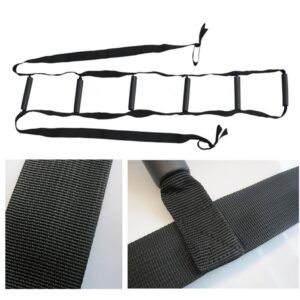
3. The handles are bare webbing, not padded grips. Some products show foam handles in the photo but ship with folded webbing rungs. One reviewer noted the rungs “are just made of the strap material therefore using it hand over hand, rung by rung to pull yourself up doesn’t work.”
What prevents it:Look for reviews that specifically mention the handle material, not just the product description. Photos from buyers are more reliable than listing images.
4. Anchor compatibility is assumed, not verified. Platform beds, adjustable beds, and beds without exposed frame legs require creative anchoring. Some buyers solved this by screwing hardware into the bed base; others strapped the ladder to slats under the mattress. But buyers who assumed a universal fit were disappointed.
What prevents it:Identify your anchor point before purchase. If your bed has no frame legs, confirm the ladder includes an anchoring method—or plan to add one.
The Surprising Use Cases Buyers Discover
Reviews reveal applications the product listings rarely mention:
-
Pregnancy and postpartum recovery:The ladder helps with the sit-up movement that becomes difficult in late pregnancy and after a C-section.
-
Turning over in bed:Users with back pain and hip issues use the ladder to reposition, not just to rise.
-
Travel:The compact strap folds into a suitcase and can be anchored to hotel beds—a use case that bed rails cannot serve.
-
Caregiver back protection:A caregiver who can guide the user‘s pull rather than lifting them reduces their own strain.
A Buyer’s Decision Checklist
Before you add an adjustable bed ladder assist rope to your cart, verify these five points:
-
Buckle type:Positive-locking cam or double-lock composite, not a friction slide.
-
Stated strap length:Long enough to reach from your anchor point to the user’s waist with slack.
-
Handle material:Padded foam or rubberized grips, confirmed by buyer photos or reviews.
-
Anchor method:Matches your bed type—frame leg, slat, or added hardware.
-
Weight capacity with margin:Rated above the user‘s weight, with reinforced stitching documented.
Bottom line:The reviews are clear about what separates a ladder that gets used daily from one that gets returned. A locking buckle, a long enough strap, and padded handles are the three features that matter most. Everything else is secondary. Choose based on those three, and the device will do the job it was bought for.